
CICS 04
OCCITA’MIX: Supporting the integration of diverse intercropping systems into value chains in the South-West of France
Topic
Spatial and temporal foods
Country
France
Responsible
INRAE
Institut National de Recherche pout l’ Agriculture, l’ Alimentation et l’ Environnement
Objectives
- Assess the agronomic performance and soil fertility impacts of a wide range of intercrop mixtures tested on around ten farms in the Occitanie region.
- Co-design technical and organizational solutions with stakeholders across the value chain to facilitate the adoption of intercropping systems.
- Develop innovative food products based on intercrop mixtures (bread, biscuits, mixed flours).
- Foster dialogue with public institutions capable of supporting the development of intercropping systems (Adour-Garonne Water Agency, Occitanie Region, DRAAF, FILEG, Toulouse Métropole, Tarn-Agout Community of Municipalities, etc.).
Click here if you want to read the project flyer in French
What is this CICS about
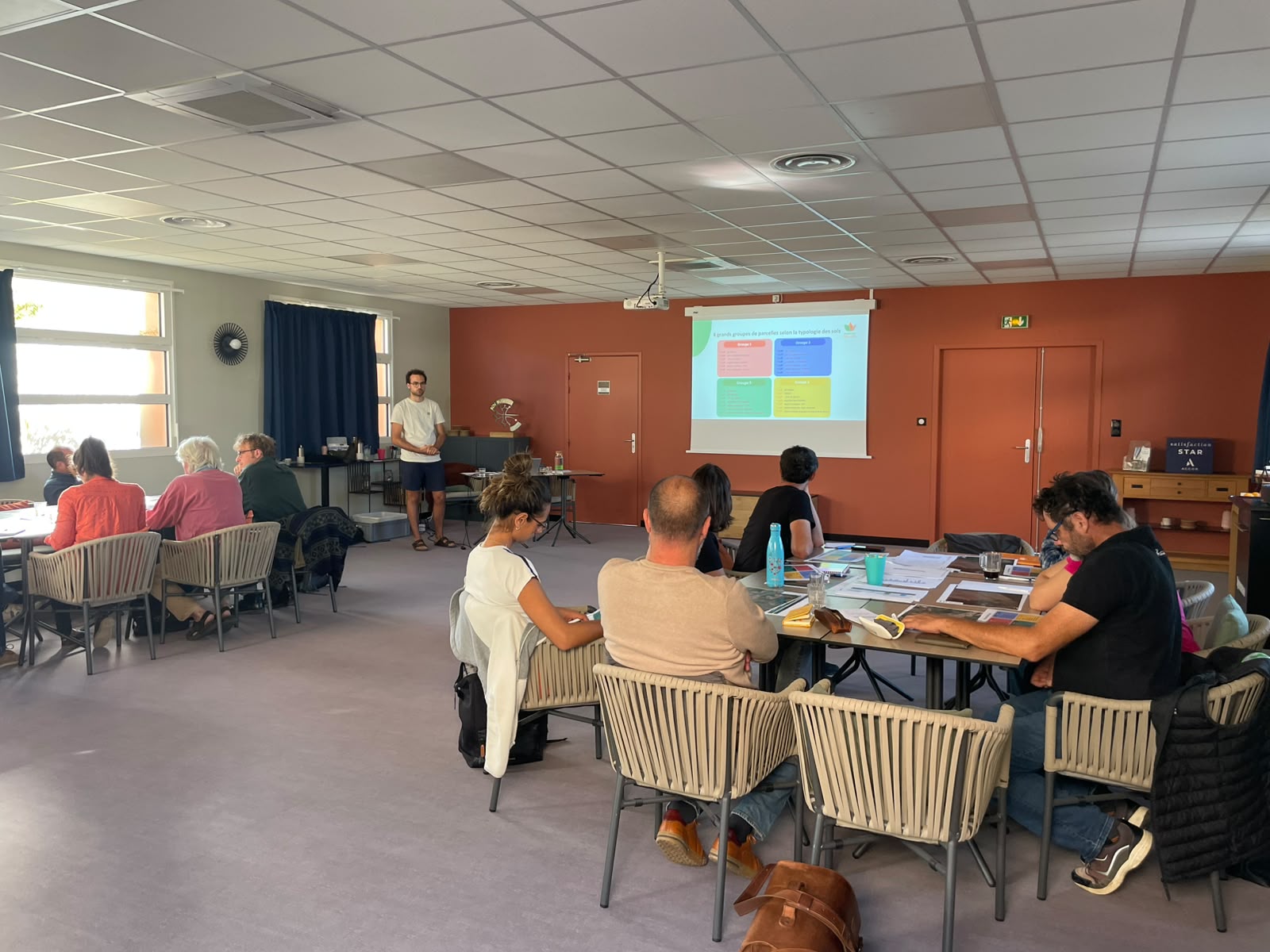
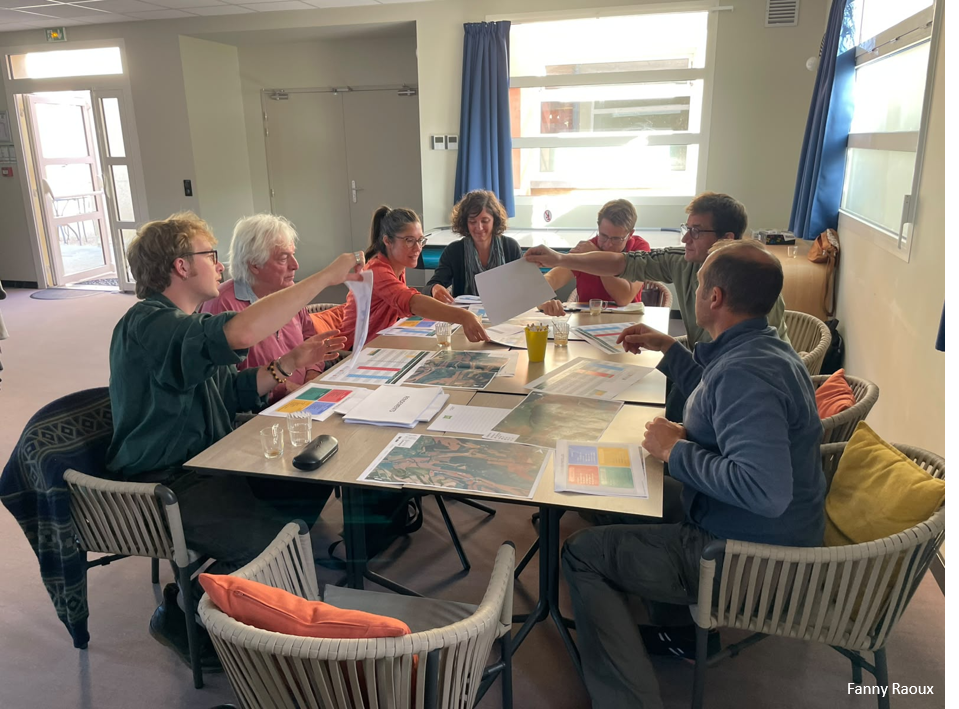
OCCITA’MIX brings together around 30 regional stakeholders, including researchers, farmers, processors, bakers, local authorities and consumer organisations, to promote cereal-legume intercropping adapted to local farming systems and value chains.
Through collaboration with around ten farmers, the project evaluated more than 20 intercrop combinations over three years, assessing agronomic performance and soil fertility. Decision-support tools such as Interplay® helped farmers design mixtures suited to local conditions.
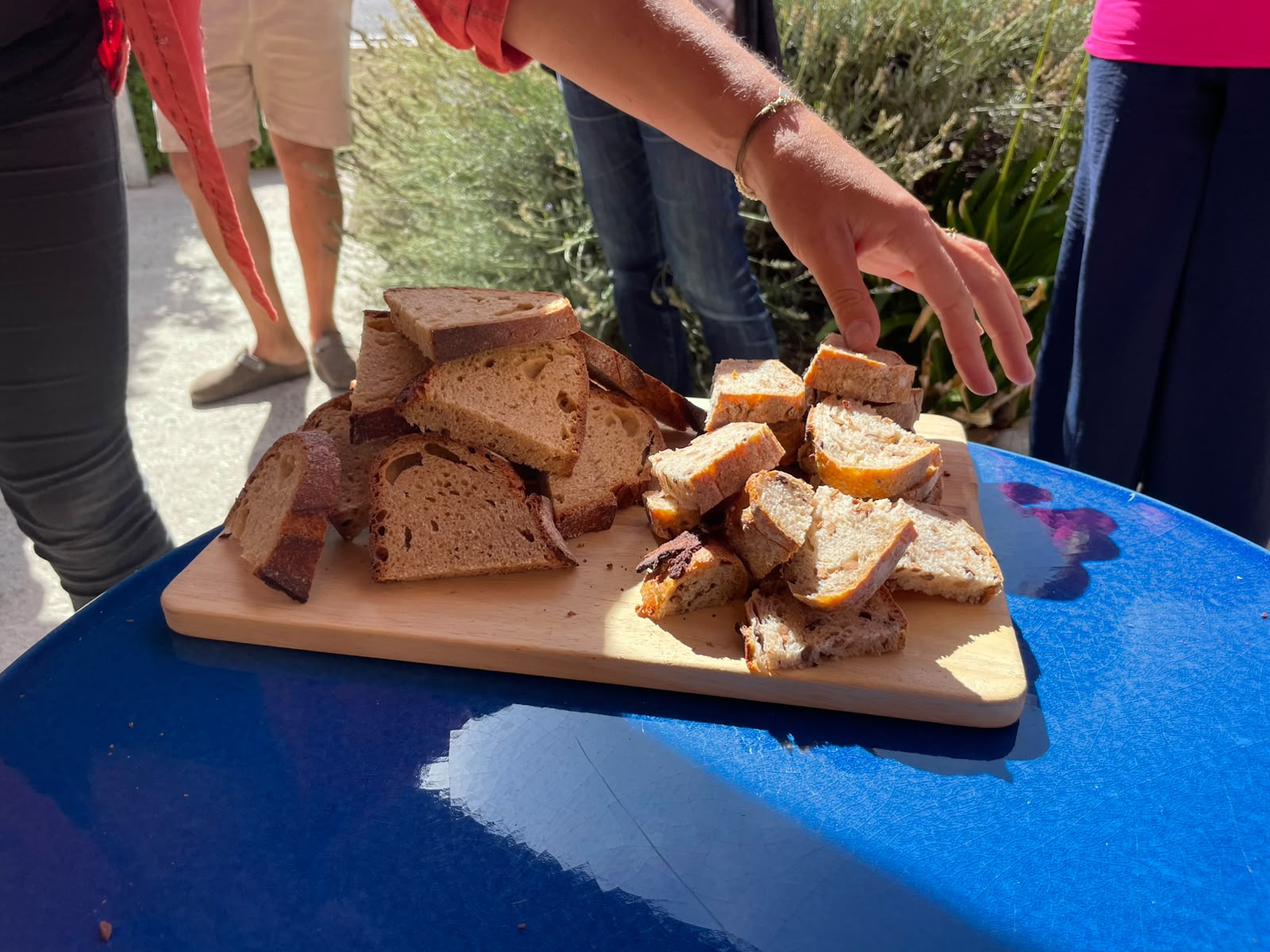
The CICS also explored suitable crop varieties and market opportunities. Processors, bakers and consumers tested mixed wheat-legume flours in bread and other products, assessing their quality, sensory characteristics and consumer acceptance.
Overall, the initiative combined on-farm trials and value-chain collaboration to identify practical solutions and promote diversified, pesticide-free and low-input farming systems.
Learnings
- Barriers to the adoption of intercropping systems occur throughout the entire value chain—from production and post-harvest sorting to processing and marketing—and therefore require a systemic approach.
- On-farm experiments improved understanding of crop management practices, agronomic performance, weed regulation, and grain quality, while addressing many of the practical questions raised by local stakeholders in south-west France.
- Continued experimentation, both in the field and food processing, is essential to co-design solutions that meet the needs and expectations of every actor along the value chain.
Results
- Established a regional network of more than 30 stakeholders engaged in the development of intercropping systems.
- Identified over 110 barriers to adoption—many of which occur beyond the farm level—and jointly developed a shared action plan with local stakeholders.
- Conducted more than twenty on-farm intercropping experiments. The trials confirmed that intercropping can provide several ecosystem services, including weed suppression, improved soil cover, nitrogen inputs, while also highlighting that it is not a one-size-fits-all solution.
- Consolidated decision-support tools, technical guidelines, and extension materials for farmers.
- Developed and tested mixed wheat-legume flours and innovative food products, demonstrating that incorporating relatively low proportions of legumes (10–30%) preserves sensory quality while meeting growing consumer demand for healthier and more nutritious foods.
- Strengthened regional collaboration around grain legumes and prepared for wider dissemination through the Leguminons (Manger des légumineuses produites localement ⋅ Toulouse Mairie Métropole, site officiel.) and FILEG (FILEG | Créer une filière légumineuses en Occitanie) initiatives.
Documentation
Contact
Updates from
the CICS 04:
Three years of field-to-plate experimentations to support the development of intercropping in south-western France
On 17th of September 2026, the farmers and partners of CICS4 Occita’Mix came together for the third and final review of the field experiments conducted as part of the IntercropVALUES project. The event was organised at Lavaur, one of the main cities of the Tarn where...

Consumers Embrace Wheat-Chickpea Flour in French Participatory Cooking trial
In a collaborative effort between INRAE researchers and an organic farmer in Southwest France, a new flour blend made from wheat and chickpeas was introduced to local consumers through a participatory cooking trial. The initiative, part of the IntercropVALUES project,...
From barriers to identifying solutions: IntercropVALUES moves forward to promote intercropping
Intercropping, an agricultural practice that could help counterbalance the negative effects of agricultural specialisation by re-introducing crop diversity in fields, is currently facing strong resistance in Europe. Indeed, current European agricultural systems are...

“It´s in the soil”: IntercropVALUES tells its own “soil story” in the French digital magazine from the Eïwa cooperatives
Lionel Alletto, researcher at INRAE and leader of IntercorpVALUES Co-Innovation Case Study 4, has recently participated in a local tv/online emission called (in French) C dans l’ sol (“It’s in the soil”). Yves Ferrier, from the Chamber of Agriculture and co-leader of...

2nd meeting of the EU CAP Network Focus Group on crops associations with a high involvement of IntercropVALUES members
The second meeting of the Focus groups 'Crop associations including Milpa and protein crops', took place last May 29-30 in Toulouse, France, with a strong involvement of the IntercropVALUES project team. Focus group meetings are facilitated by the Support Facility...

A workshop on “Barriers and levers to the adoption of crop associations” at the Agricultural High school of Flamarens (South-West of France)
On Thursday 29th of February 2024, around thirty stakeholders from the agricultural and food sectors of south-west France came together for a multi-actor workshop on the subject of intercropping. The workshop, organised by INRAE and the Chamber of Agriculture as part...

Stimulating the growth of the organic sector by developing intercropping practices
The 17th edition of the European Organic Congress, organized by IFOAM Organics Europe and Ecovalia, is currently taking place in Cordoba, Spain. On the picture above, Eduardo Cuoco (IFOAM Organics Europe) presents during the European Organic Congress 1st session on...

Agronomy school teachers and farmers work together in Tarn (France) to create new quality products from intercrops
Our French case study in the Tarn (Occita'Mix, also funded by the Adour Garonne water agency), CICS 04, is working with innovative farmers in the south-west region of France (Tarn/Haute-Garonne) on a wide variety of crop associations. Soil depletion, erosion, and...
Check out the other 13 Co-innovation
Case Studies (CICS)
CICS 01 denmark
From Field to Flour: Wheat–Pea Intercropping Without Full Separation
CICS 02 sweden
LoBa – Local legumes, collaboration in
the entire value chain
CICS 03 uk
Or-Ganic / SCOCAN (SCottish Organic
CANola)
CICS 04 france
Supporting the integration of diverse intercropping systems into value chains in the South-West of France
CICS 05 germany
New product development including technology and adjustments/redefining regulations
CICS 06 greece
Intercropping for sustainable production of wheat and barley
CICS 07 reunion
New proven crop management strategies using service plants between the sugarcane rows
CICS 08 spain
Specific labelling to agri-food industry. Collective IPM actions and strategies
CICS 09 serbia
Creating prototype for local food value chain and operational solution for intercropping
CICS 10 france (west)
Local/regional values chains, up to national to bring out other groups in FNCUMA network
CICS 11 italy
Understanding and using the benefits of IC in complex farming systems and short value chains
CICS 12 mozambique
Promoting sustainable intercropping systems for agri-food value chain in Mozambique
CICS 13 switzerland
Enhancing food quality and developing value chains through organic wheat-faba bean intercropping
