
CICS 12
Promoting Sustainable Intercropping Systems for Agri-food Value Chain in Mozambique
Topic
Fighting poverty
Country
Mozambique
Responsible
Universidade Eduardo Mondlane
The stakeholders are extension officers, research Institutions (IIAM), Departments of Agriculture, local NGOs, poultry industry and input market.
Objectives
- To identify possible trade-offs between short term increase of income and ecosystem services enhancement through intercropping;
- To build sustainable scenarios of crop intensification with intercropping (e., modern intercropping systems designed to enhance productivity, diversification, resilience, profitability, and environmental sustainability, while ensuring their acceptability to farmers and other stakeholders throughout the agri-food value chain).
Click here if you want to read the project flyer in Portuguese
What is this CICS about
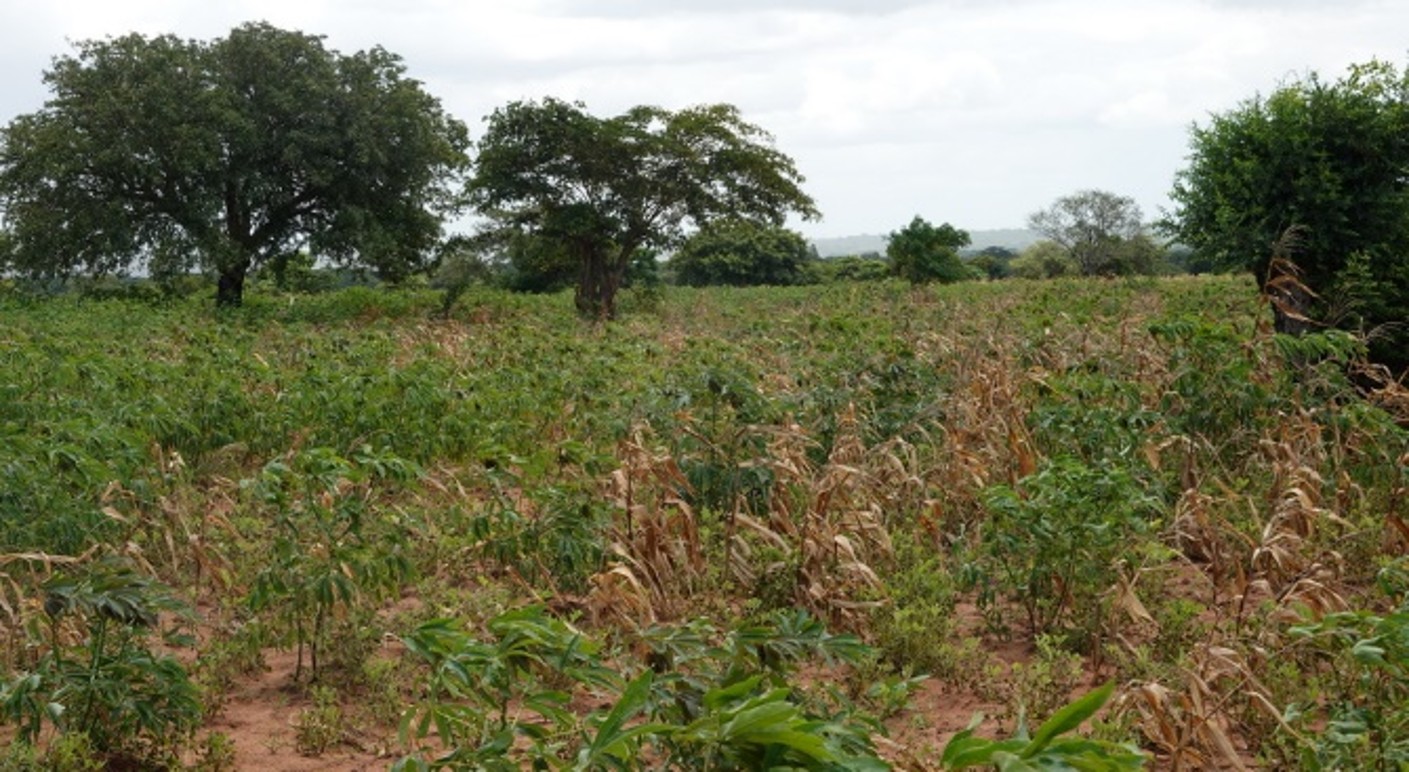
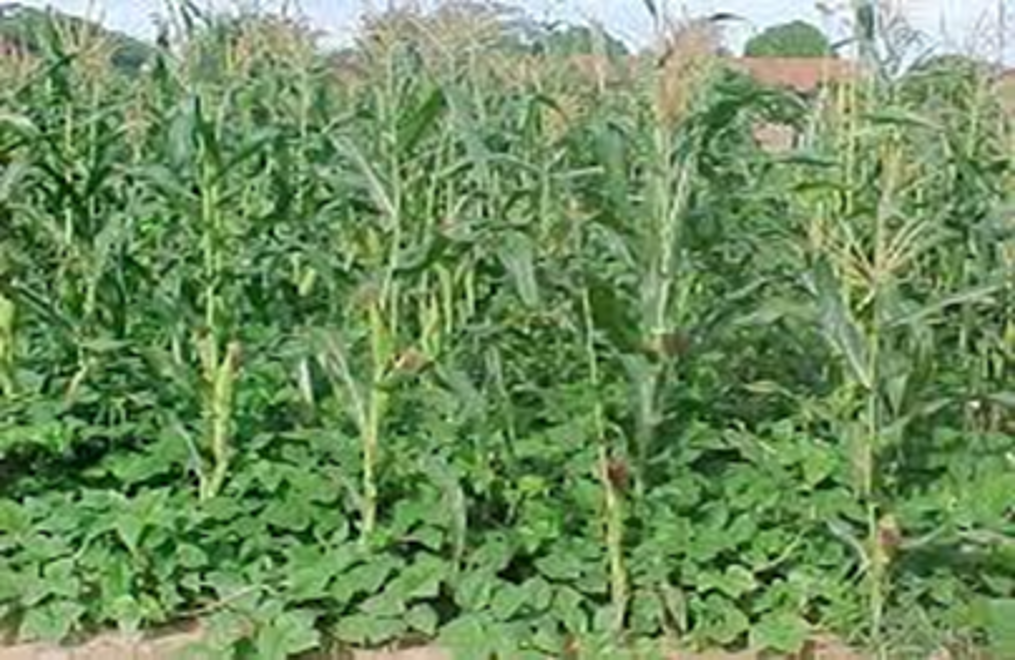
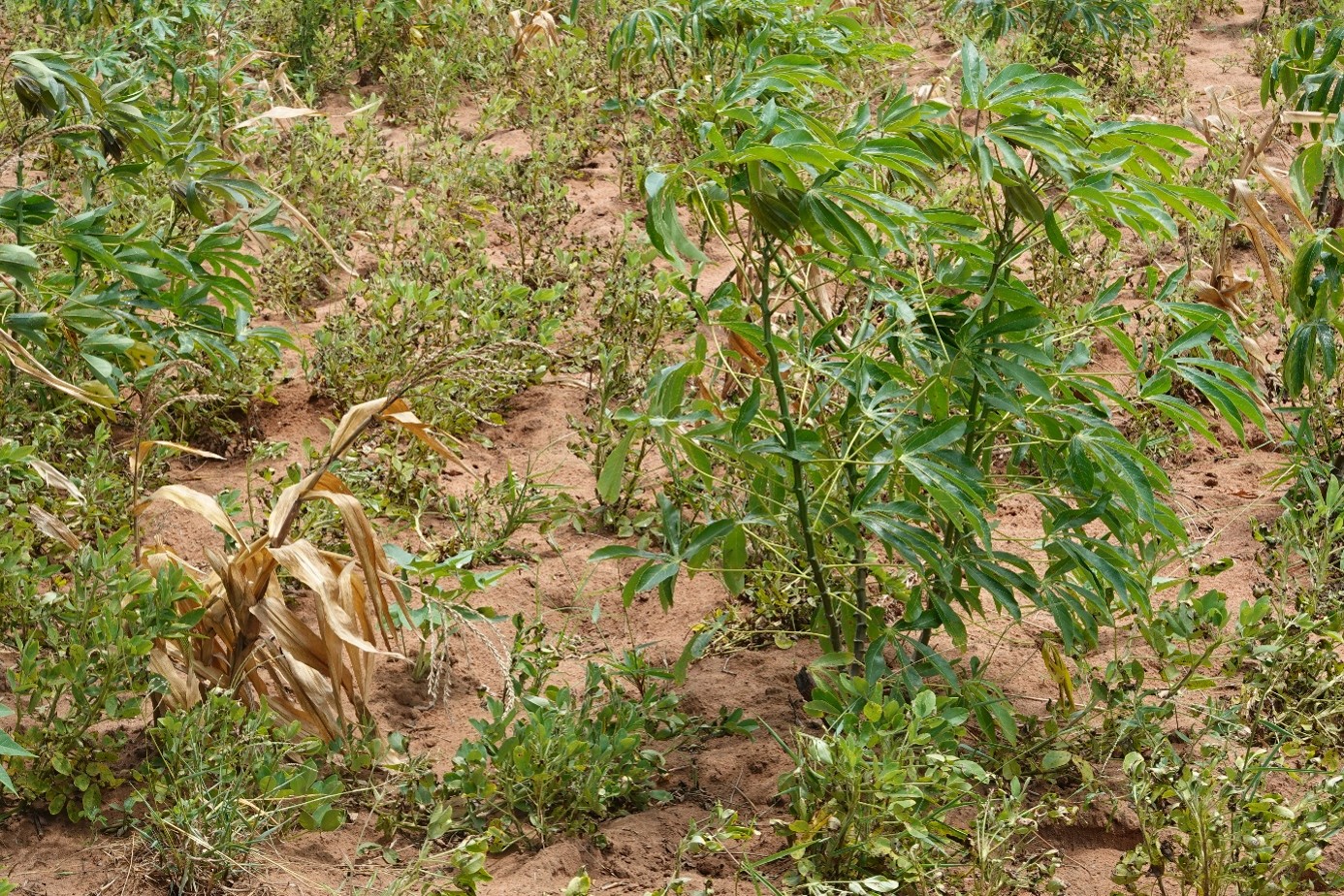
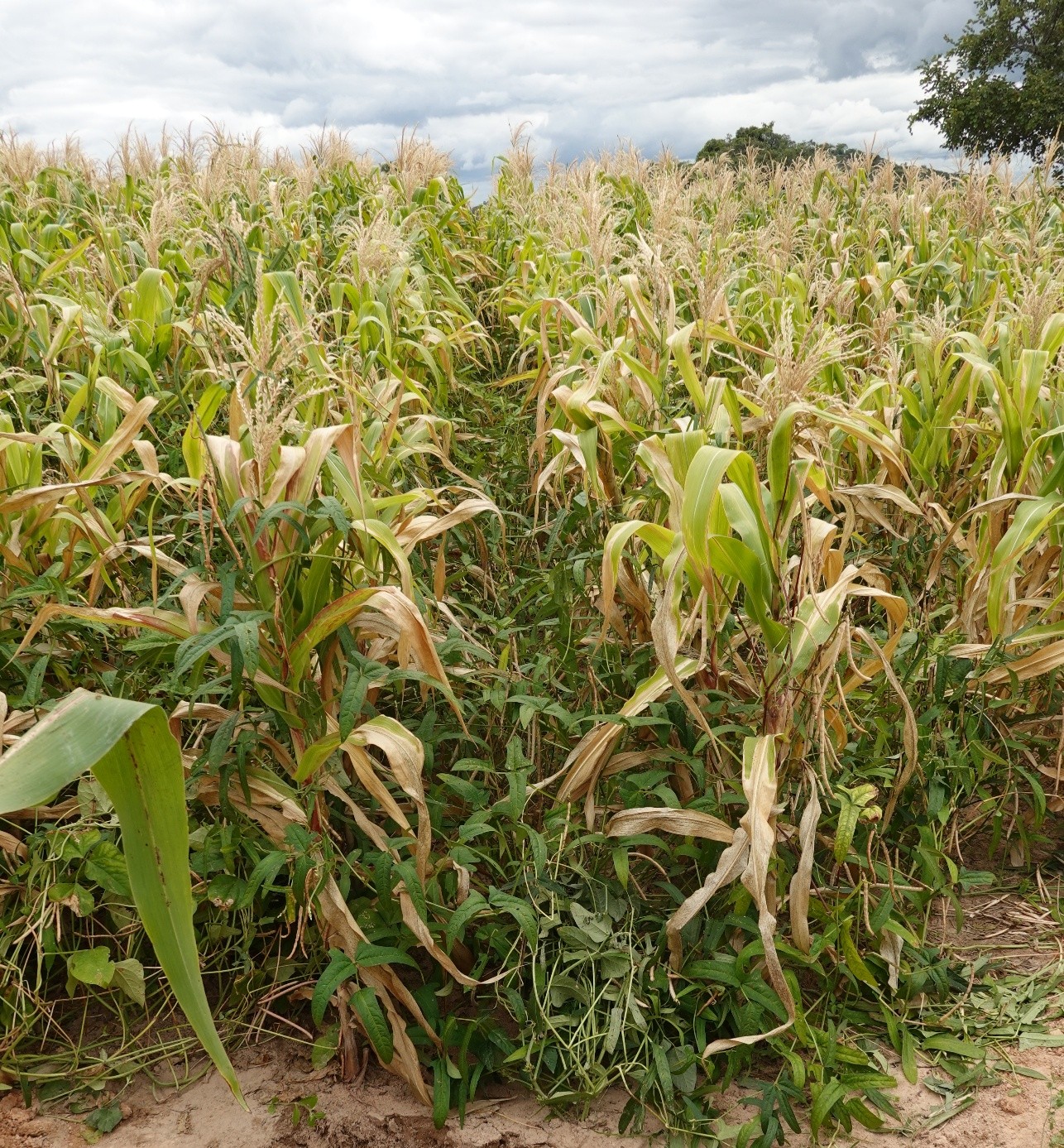
Smallholders’ farmers of Inhambane and Gaza region in Mozambique are subsistence-oriented; they traditionally use intercropping systems dominated by mixed cropping of Maize-cassava-cowpea/peanuts, groundnuts. Crop yields are very low under the semi-arid conditions, poor sandy soils and low intensification. Nevertheless, there are evidences of reaching reasonable yields under prevailing conditions as shown locally by few better-off farmers and plots recorded with slightly higher organic matter. Literature review, expert discussion and on-station trials depict very challenging possibilities and limited advantages of intercrop intensification, remaining relevant at low input cropping production systems.
Learnings
Our study used a participatory approach on data collection and assessment integrating local farmers and extension officers as the key stakeholders. Other relevant stakeholders encompassed the value chain and policy makers in the agriculture sector. Studies started with a participatory diagnosis of intercropping systems in southern Mozambique, followed by on-station trials on intercropping and on-farm plot monitoring of resources flow and yields. Preliminary results were presented and discussed in two stakeholders meeting and in a local scientific workshop. This study shows as well the importance of integrating farmers and relevant stakeholders to co-design extension strategies and technologies development in order to integrate their concerns, perceptions and preferences toward food security.
Results
Smallholders’ farmers of Inhambane and Gaza region in Mozambique are subsistence-oriented; they traditionally use intercropping systems dominated by mixed cropping of Maize-cassava-cowpea/peanuts, groundnuts. Crop yields are very low under the semi-arid conditions, poor sandy soils and low intensification. Nevertheless, there are evidences of reaching reasonable yields under prevailing conditions as shown locally by few better-off farmers and plots recorded with slightly higher organic matter. Literature review, expert discussion and on-station trials depict very challenging possibilities and limited advantages of intercrop intensification, remaining relevant at low input cropping production systems.
Available resources
Fieldwork reports:
Diagnostic report “Diagnóstico Participativo dos Sistemas Consorciados de Culturas em Inharrime, Macia e Manhiça”
Practices Abstracts:
Practice Abstract: Modernising Intercropping Systems
Workshop Reports (in Portuguese language):
Stakeholders Workshop-1, Bilene, 15th March, 2024
Stakeholders Workshop-1, Bilene 27-28th August, 2026
Scientific publications (to be submitted):
Is cereal-legume intercropping a relevant option for ecological intensification in sub-Saharan Africa? A review.
Biases and performance of leaf area index estimation methods in maize–cowpea intercropping systems
Others (in Portuguese language):
3 BSc Theses presented related to the on-station trials
1 BSc thesis about the on-farm plot monitoring
1 MSc thesis about the on-farm plot monitoring
Contact
Sebastião Famba1, João Nuvunga1, Nícia Givá1, François Affholder2,3
1Universidade Eduardo Mondlane (UEM), Faculdade de Agronomia e Engenharia Florestal
(FAEF), Av. Julius Nyerere, no 3453, Campus Principal, C. Postal 257, Maputo, Mozambique.
2CIRAD, UPR AIDA, F-34398 Montpellier, France
3AIDA, Univ Montpellier, CIRAD, Montpellier, France
Updates from
the CICS 12:
From barriers to identifying solutions: IntercropVALUES moves forward to promote intercropping
Intercropping, an agricultural practice that could help counterbalance the negative effects of agricultural specialisation by re-introducing crop diversity in fields, is currently facing strong resistance in Europe. Indeed, current European agricultural systems are...

Cultivating collaboration to promote sustainable intercropping systems for agrifood value chain in Mozambique
The IntercropVALUES research project is being implemented in Mozambique since November 2023 by the University Eduardo Mondlane in collaboration with CIRAD. The case study of Mozambique is one of the 13 Co-Innovation Case Studies (CICS) under implementation in 15...

Stimulating the growth of the organic sector by developing intercropping practices
The 17th edition of the European Organic Congress, organized by IFOAM Organics Europe and Ecovalia, is currently taking place in Cordoba, Spain. On the picture above, Eduardo Cuoco (IFOAM Organics Europe) presents during the European Organic Congress 1st session on...

A summer to learn about intercropping
A summer to learn about intercropping Summer is starting and it is time to rest. The IntercropVALUES project started in November and the official kick-off took place at the end of that month, when all partners met in Montpellier to launch the activities and establish...
Check out the other 13 Co-innovation
Case Studies (CICS)
CICS 01 denmark
From Field to Flour: Wheat–Pea Intercropping Without Full Separation
CICS 02 sweden
LoBa – Local legumes, collaboration in
the entire value chain
CICS 03 uk
Or-Ganic / SCOCAN (SCottish Organic
CANola)
CICS 04 france
Supporting the integration of diverse intercropping systems into value chains in the South-West of France
CICS 05 germany
New product development including technology and adjustments/redefining regulations
CICS 06 greece
Intercropping for sustainable production of wheat and barley
CICS 07 reunion
New proven crop management strategies using service plants between the sugarcane rows
CICS 08 spain
Specific labelling to agri-food industry. Collective IPM actions and strategies
CICS 09 serbia
Creating prototype for local food value chain and operational solution for intercropping
CICS 10 france (west)
Local/regional values chains, up to national to bring out other groups in FNCUMA network
CICS 11 italy
Understanding and using the benefits of IC in complex farming systems and short value chains
CICS 12 mozambique
Promoting sustainable intercropping systems for agri-food value chain in Mozambique
CICS 13 switzerland
Enhancing food quality and developing value chains through organic wheat-faba bean intercropping
