
On 17th of September 2026, the farmers and partners of CICS4 Occita’Mix came together for the third and final review of the field experiments conducted as part of the IntercropVALUES project. An opportunity to look back on three years of trials, more than twenty intercropping combinations tested, and to put their agronomic performance into perspective with soil characteristics.
An important collective effort, made possible thanks to the involvement of farmers, advisors, researchers and all the partners involved in these experiments.
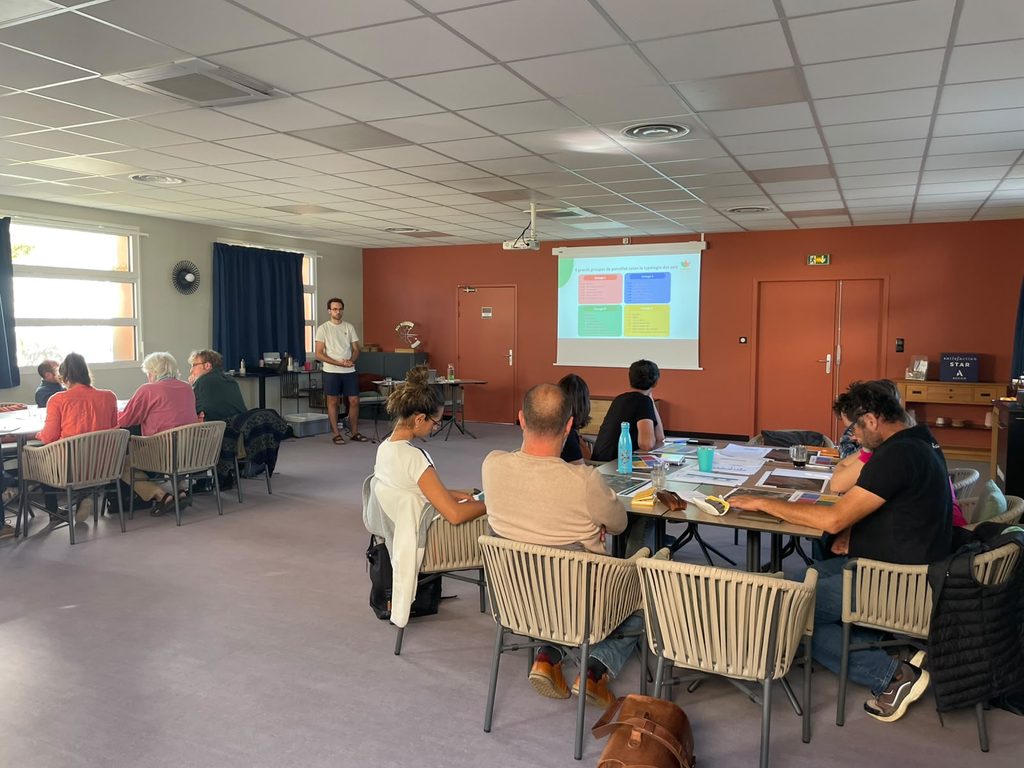
Figure 1: CICS 4 partners gathering to discuss results and key learnings
Three years to test, observe and adjust
The day began with a collective and individual review of the soil analyses carried out in the different plots where intercropping systems had been tested over the three years of experimentation. Organic matter, nitrogen, phosphorus, soil structure: all indicators that help to better understand the conditions under which intercropping systems are implemented and to identify ways of improving soil fertility.
These observations were then compared with the agronomic performance of the intercropping systems tested. Yields, grain quality, weed pressure… the results were carefully examined in order to better understand the factors explaining performance, as well as the difficulties encountered.
Because testing an intercropping system also means learning to understand, and even anticipate, how it will behave: which species should be combined? In what proportions? With which varieties? At what sowing rate? And how should the crop management practices be adapted to the conditions of the plot and the year?
After three years of trials, the farmers therefore have references, practical experience to continue adjusting their practices and a network to rely on.
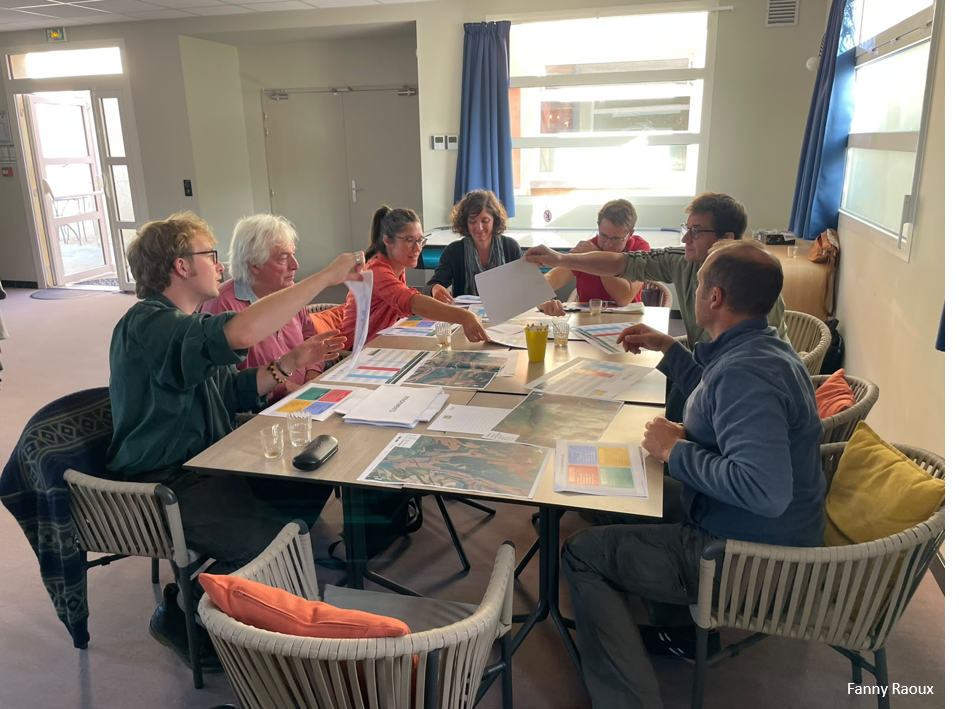
Figure 2: Farmers, advisors, researchers working together
From field to plate: the “One Health” concept
But producing intercropping systems is not enough. How can these productions reach the plate, while building a value chain that is viable and fair for the different stakeholders?
The experiments conducted as part of IntercropVALUES have notably explored ways of valorising cereal-legume mixtures for human food. One possible approach is to limit sorting operations while increasing the proportion of legumes in the cereal batches, in order to obtain products with higher protein and fibre contents.
Further trials are still needed to find the right compromises between technical feasibility, product quality and nutritional value. The objective is to preserve the agronomic richness of intercropping systems all the way through to the food products derived from them.
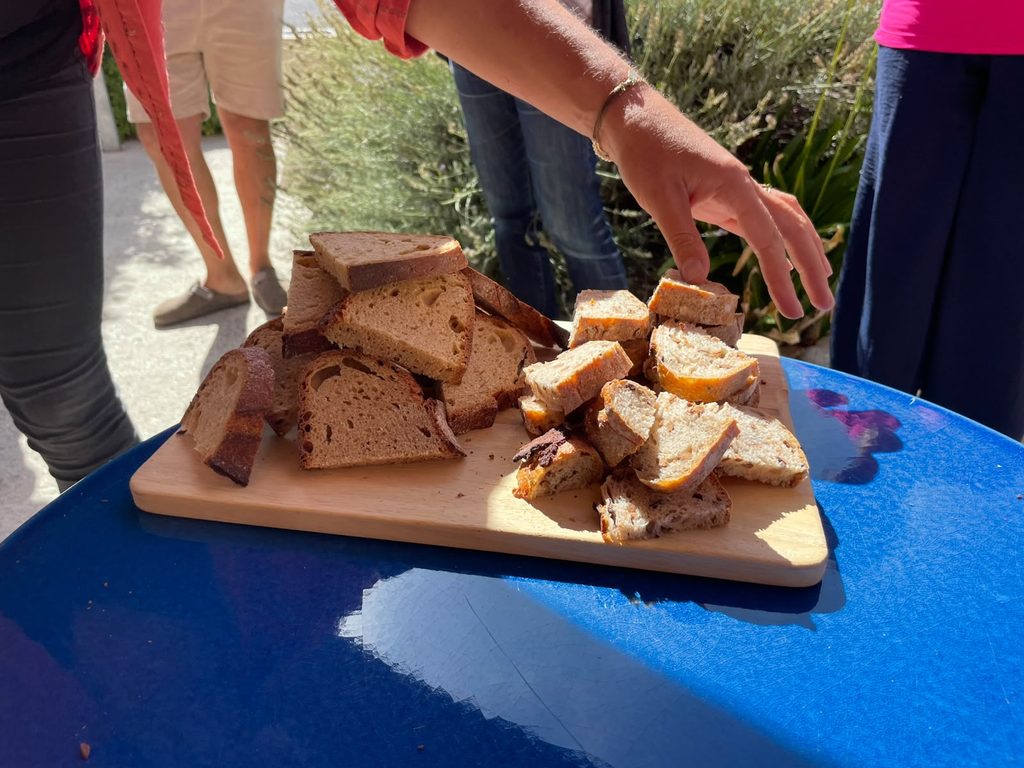
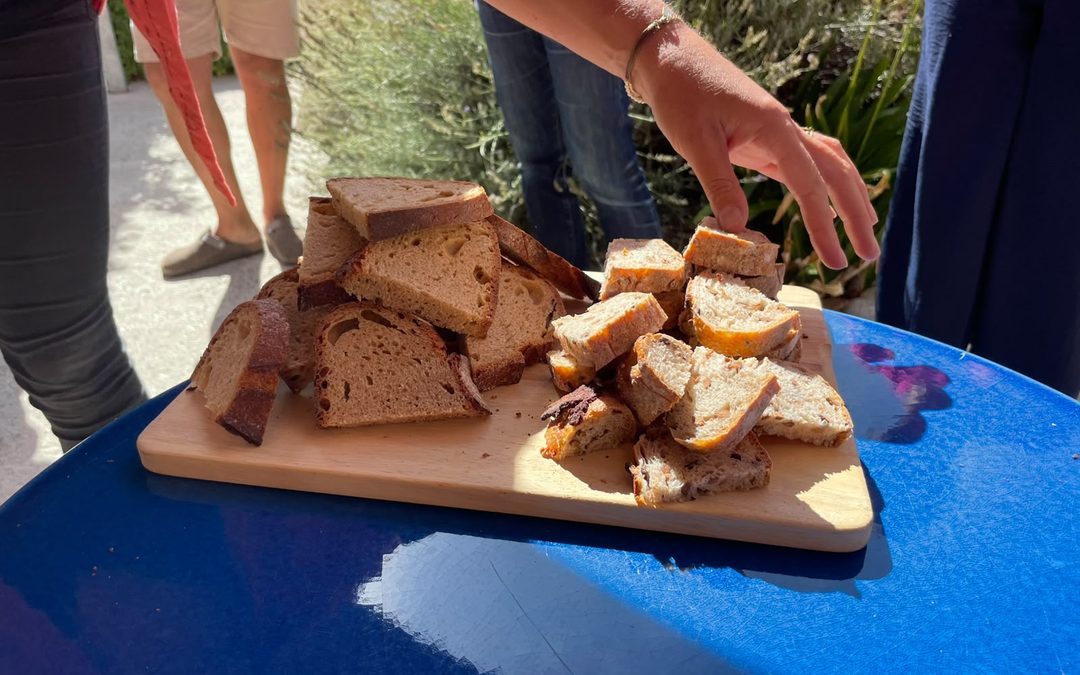
Figure 3: 2 breads tasting (left: 30% chickpea flour + population wheat) (right: 40% chickpea and fababean in diverse form of incorporation – flour, broken peas, semolina + modern wheat cultivars)
Producing despite climate uncertainty
For farmers, however, one priority remains: producing despite increasingly unpredictable climatic conditions.
Intercropping systems are one possible way of coping with this variability, but their adoption takes time: experimenting, taking risks, learning to master the practice and finding the right settings. It is particularly during this appropriation phase that MILPA positions itself, with a risk-insurance scheme designed to support farmers who are starting to use intercropping systems, which was presented during this final review.
Because behind every new practice lie trials, adjustments and sometimes failures that need to be absorbed in order to continue experimenting.
What comes after production? Developing new markets
Another challenge is marketing. For intercropping systems to develop, there must also be outlets for the resulting productions.
Collective catering is one potential stakeholder, as are companies specialised in the pre-soaking or freezing of legumes (ALIGERMA). However, several obstacles still need to be overcome: logistics, available volumes, prices, professional habits and securing supplies.
As Emilie Combebiac, from Graines d’Authenticité, points out:
“There is a need for political will. There are also other difficulties: cooks’ habits, wholesale prices that remain low, organic products not necessarily being a priority and therefore no security, and it takes time for us… There is a whole logistics system to organise.”
Several territorial initiatives are specifically seeking to act on these different links in the chain. LegHuminOcc, as part of the Mediterranean Agriculture Climate Plan, is working to structure a territorialised supply chain for grain legumes intended for human consumption, notably by facilitating meetings between buyers and sellers and the emergence of new market opportunities.
For its part, VIA EMILIA supports changes in collective catering in order to facilitate the supply of organic and local products. This reflection also involves reducing food waste, in order to make these supplies more economically sustainable.
Sorting: a link in the chain to be collectively structured
Even before reaching consumers, as with any other agricultural production, another stage remains crucial: sorting and storage.
Intercropping systems can generate complex batches to manage, requiring appropriate equipment and organisation. Yet these solutions cannot necessarily be developed efficiently at the scale of each individual farm.
Structuring sorting at the territorial level therefore appears to be a major challenge. The objective is to maximise the value of harvested crops while preserving the diversity of species produced in association.
From this perspective, CUMA cooperatives and other collective structures could play an important role in pooling the equipment, skills and organisation required for these new practices.
Farmers who in turn become ambassadors
After three years of testing, redoing and adjusting their crop management practices, and exploring different combinations of species and varieties, the farmers involved in the experiments do not want to stop there.
They now want to share their experience and encourage other farmers to give it a try.
This momentum can continue thanks to long-term funding from the Adour-Garonne Water Agency, which makes it possible to extend the actions initiated in the territory, with additional support from the Léguminons! territorial demonstrator, which works more broadly on the development of legume production and consumption.
This support should make it possible to continue facilitating the collective, support farmers who take the risk of experimenting, and disseminate more widely the lessons learned from these three years.
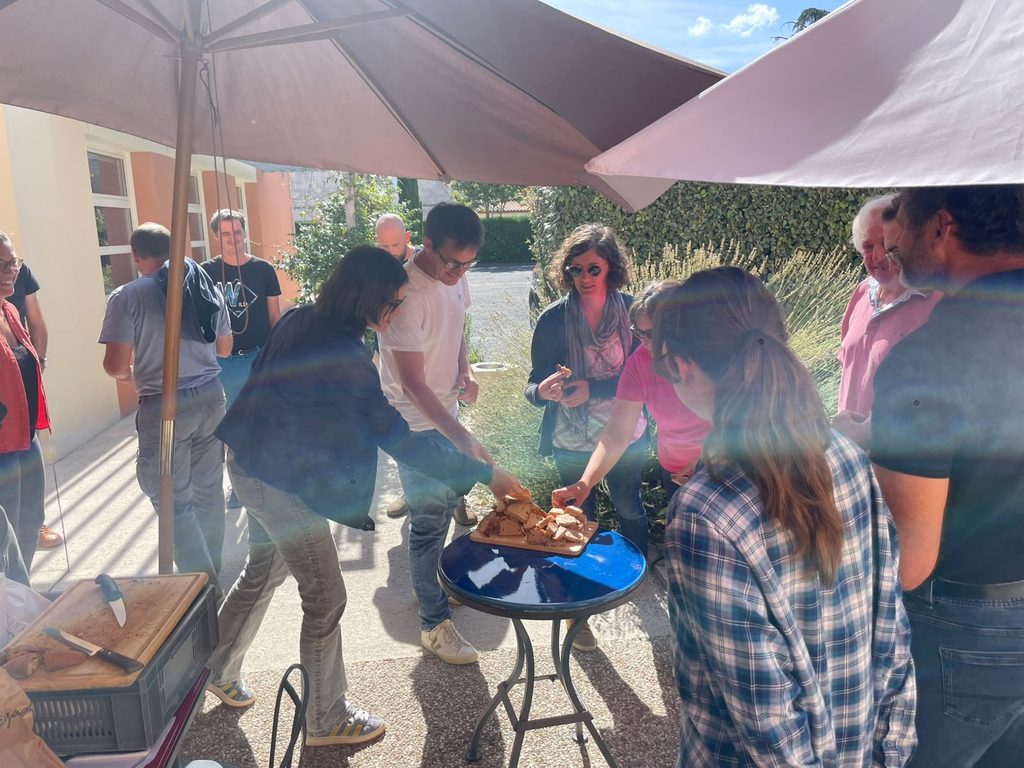
Figure 4: Key CICS 4 partners exploring new markets for intercropping
Convincing processors too
The next step will also be to reach more processors, particularly bakers.
The work carried out as part of CICS 5 in Germany has notably shown the potential interest of integrating legumes into flours intended for breadmaking. The presence of peas in flour can in particular contribute to increasing its water absorption capacity, thanks to the emulsifying properties of peas.
These results open up interesting avenues for imagining new products and new ways of valorising intercropping systems. [refer to the CICS 5 article on the website]
However, moving from experimentation to a structured value chain remains a delicate step. The transition is particularly difficult for stakeholder systems that are no longer quite operating according to a craft-based logic, but do not yet have the volumes or resources of an industrial organisation.