
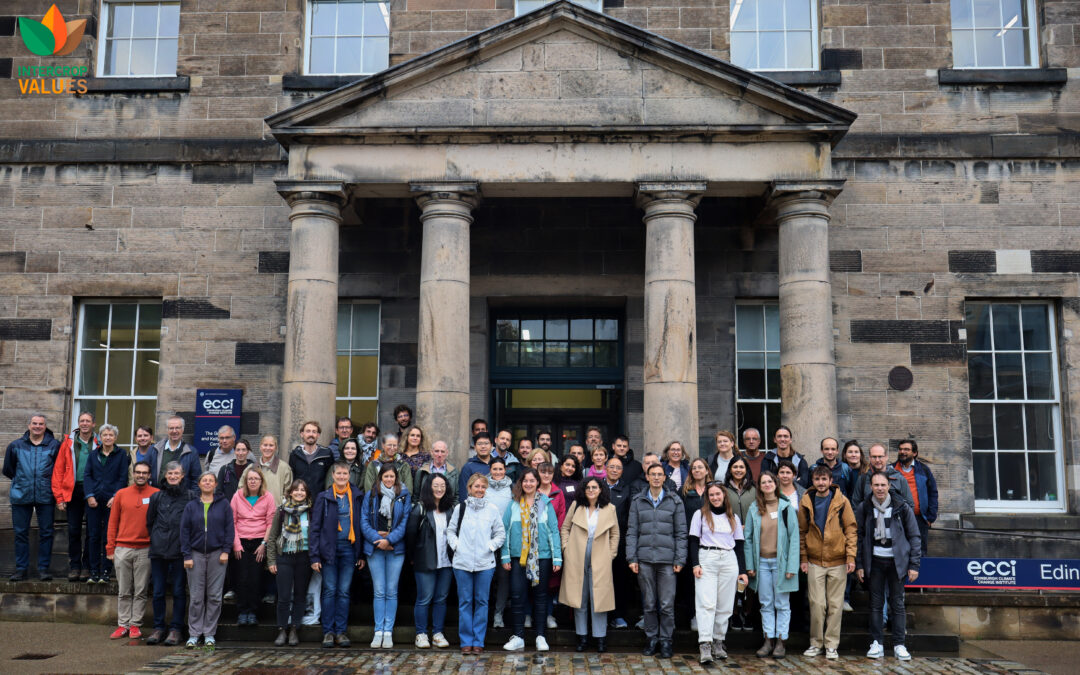
Edinburgh was chosen as the host city for the consortium’s third annual meeting, which took place from 1 to 3 October 2025. More than 65 researchers and managers gathered to share findings, resolve difficulties and plan for the final year of the project. Two officers from the European Research Executive Agency, who manage the Program, joined as well to follow up on the project’s progress. Three years have passed since the IntercropVALUES project was launched in November 2022 in Montpellier, France. The work of all those involved since then is now bringing its first results.
The two-and-a-half-day meeting was organised by the Scotland’s Rural College (SRUC). Christine Watson, Professor of Agricultural Systems at SRUC, opened the meeting with an overview of the entity, highlighting its history, infrastructure and international reach. SRUC has multiple campuses, research centres and consultancy services, with a strong presence in genetics, animal health, and sustainability. She shared with participants from 15 countries in Europe, Africa and China an overview of the Scottish agricultural census on crops, land use, and greenhouse gas emissions, as well as agricultural policy issues such as the Organic Plan 2025.
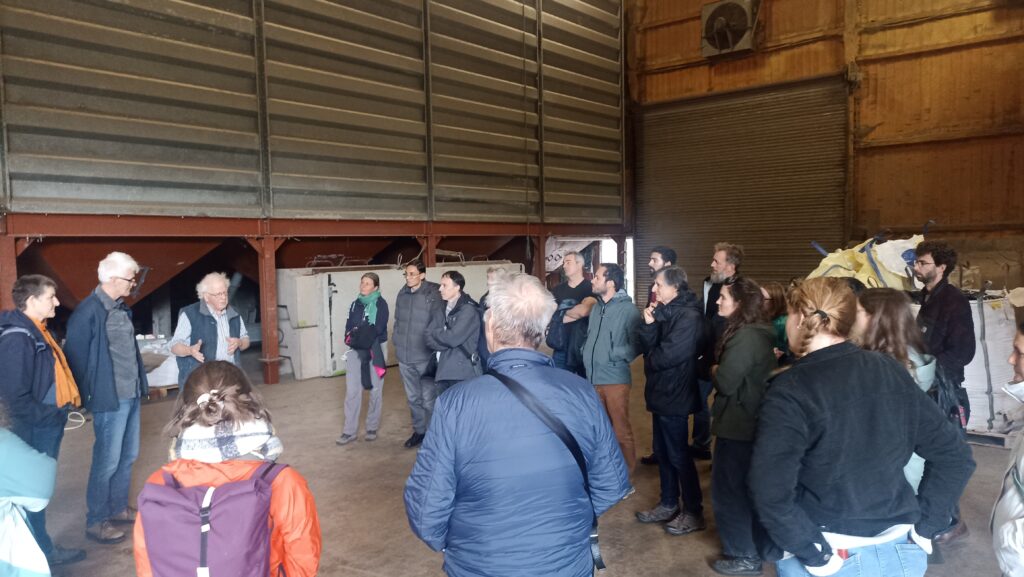
Consortium members visit a farm near Edinburgh as part of the programme for the 3rd annual meeting.
After this introduction and led by coordinator Eric Justes (French Agricultural Research Centre for International Development, CIRAD), the project team focused on scientific outreach, policy engagement, and plans for the final year. On the first day, workshops explored strategies to overcome barriers to intercropping and expand its adoption in value chains. Nutritional and biochemical analyses of intercropped wheat and pulses were presented, highlighting changes in micronutrient profiles. A sensory test was conducted with consumers to evaluate biscuits made with different proportions of wheat and lentil flour: four biscuit prototypes, each with increasing levels of lentil flour, were tasted and rated using a structured questionnaire. The workshop sought to identify the tipping point where taste meets nutrition without compromising consumer satisfaction. The ingredients remained the same—flour, butter, eggs, sugar—except for the touch of pulses, and the results will guide future food innovation in sustainable pulse-based products.
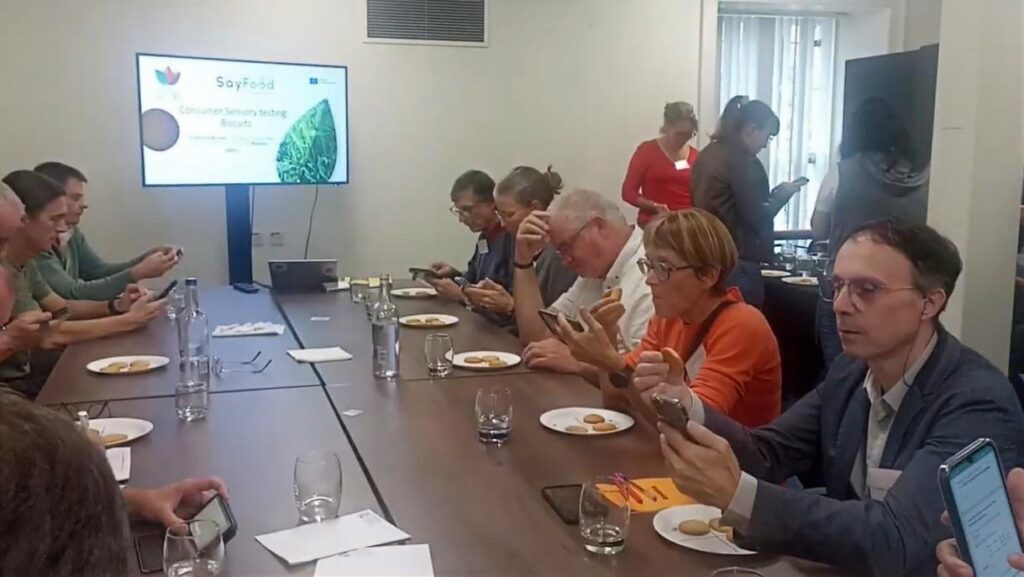
Tasting session at the annual meeting. 4 types of cookies with different percentages of grain are tasted by project partners.
The second day was devoted to a meta-analytical review, value chain development strategies, and advanced imaging techniques for flour authentication. Participants visited a cereal farm to explore real-world applications and stakeholder perspectives. Mungoswells Farm, a 550-acre working farm in East Lothian, is renowned for its locally milled flours. This family farm emphasises traceability and sustainable production. Its on-site mill processes farm-grown cereals and offers organic and conventional flours, including spelt and rye. With 40% of its land certified organic, the farm integrates nature conservation into its operations. Also part of the program, the visit to the Glenkinchie distillery offered insight into the history and process of whisky making, from field to glass. Both visits served as a case study opportunity to discuss how agricultural practices and land use intersect with local food and beverage production, the barriers and opportunities for integrating intercropping into existing value chains, as well as insights into land management, sustainability, and regional identity, which are relevant to both farming and food system innovation.
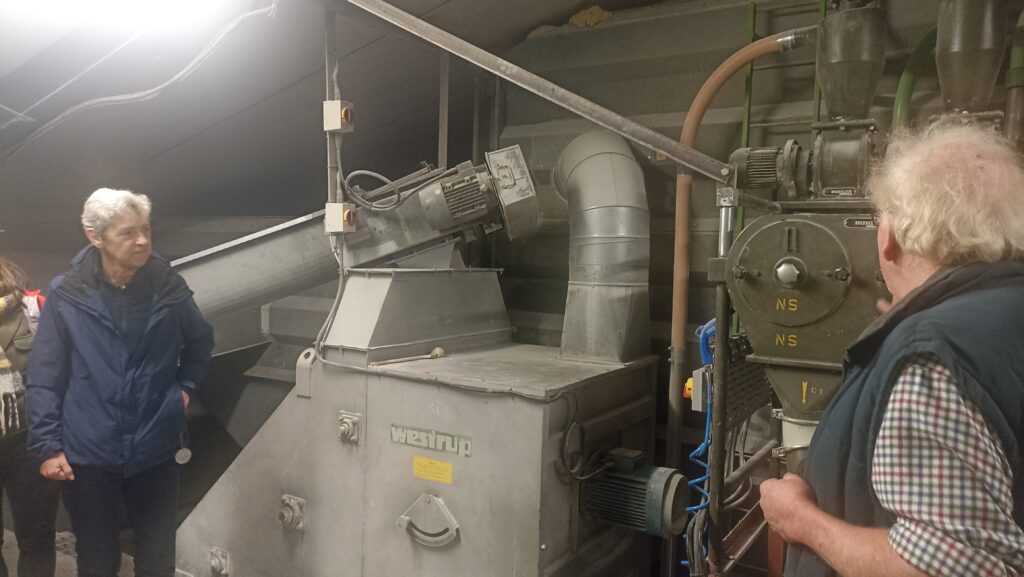
Consortium members visit a farm with a mill near Edinburgh as part of the programme for the 3rd annual meeting.
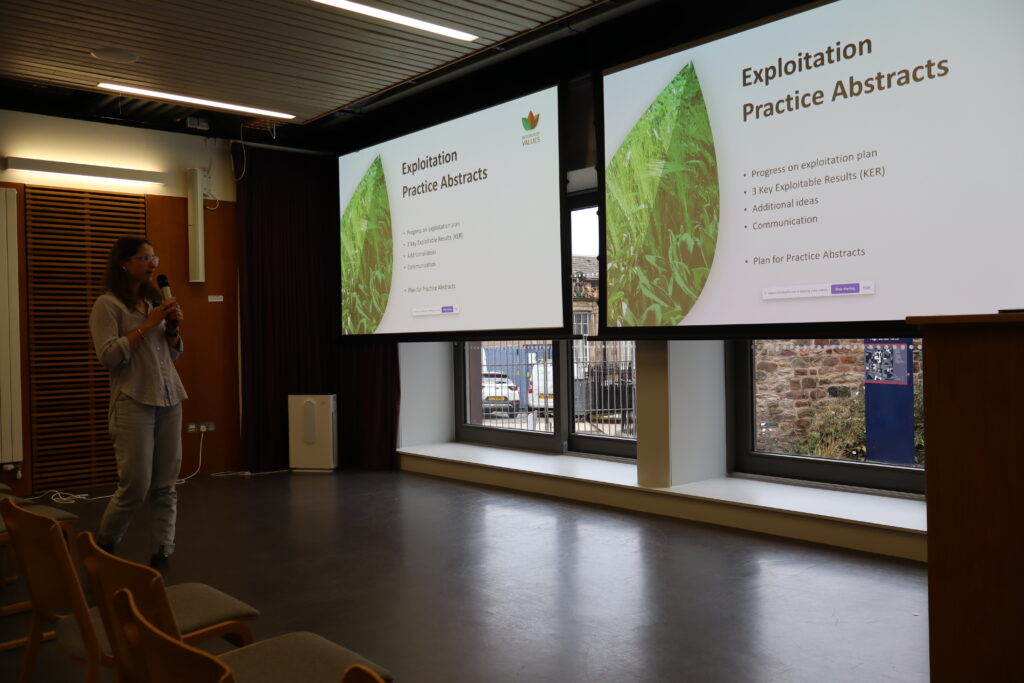
The third day focused on the dissemination and exploitation of results and preparations for the final conferences. There was time to discuss the gender approach in the project. Partners emphasised the need for transformative and gender-sensitive approaches in agricultural programmes. Policies that ignore or are gender-neutral risk reinforcing inequalities and the invisibility of marginalised roles: creating safe spaces and integrating gender at all levels of decision-making were the key conclusions.
The meeting strengthened collaboration and established the roadmap for final activities. In 2026, academic findings and applied results for stakeholders to use across the value chain will be shared through two conferences and eleven dissemination events in the countries where co-innovation case studies are being conducted. A one-week post-doc course on intercropping will take place at Wageningen University (the Netherlands) in January 2026.