
In a collaborative effort between INRAE researchers and an organic farmer in Southwest France, a new flour blend made from wheat and chickpeas was introduced to local consumers through a participatory cooking trial. The initiative, part of the IntercropVALUES project, aimed to explore whether intercropped wheat and chickpeas could be processed and marketed without costly sorting procedures.
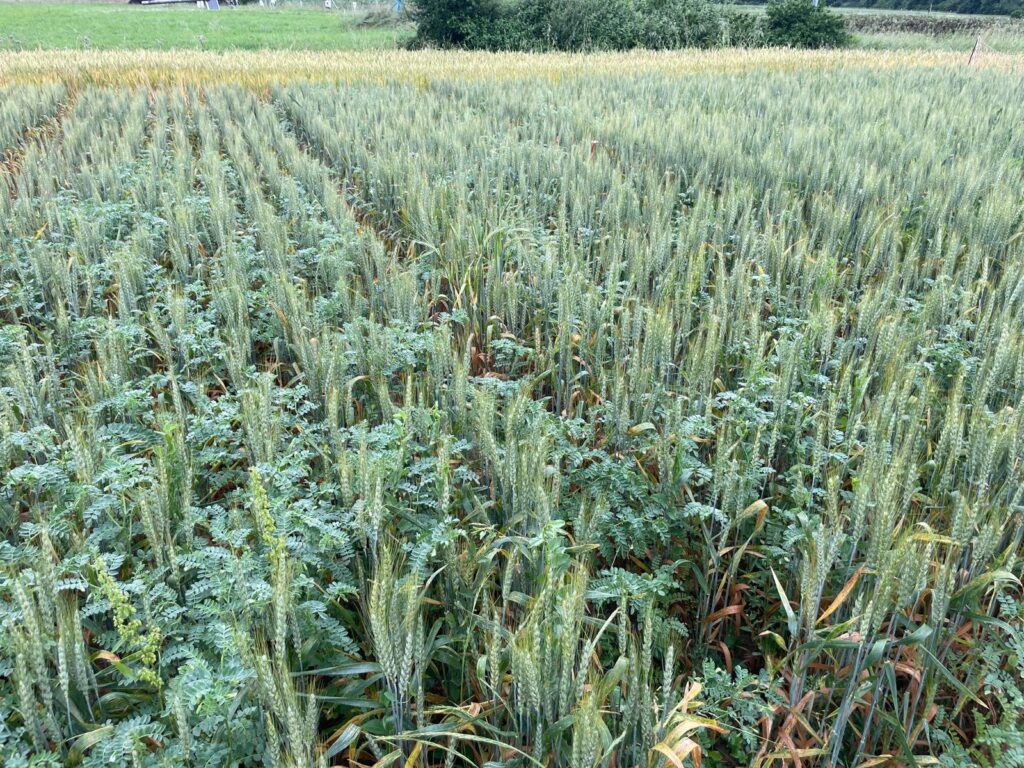
Picture above: wheat and chickpea intercropped
The survey involved 49 regular consumers from six local markets around Toulouse, most of whom had never used mixed flours before. Participants were invited to cook with the wheat-chickpea flour at home and share their experiences. The results were promising: 74% found the flour to be as good as their usual options, and 11% even preferred it. Only 4% rated it less favorably.
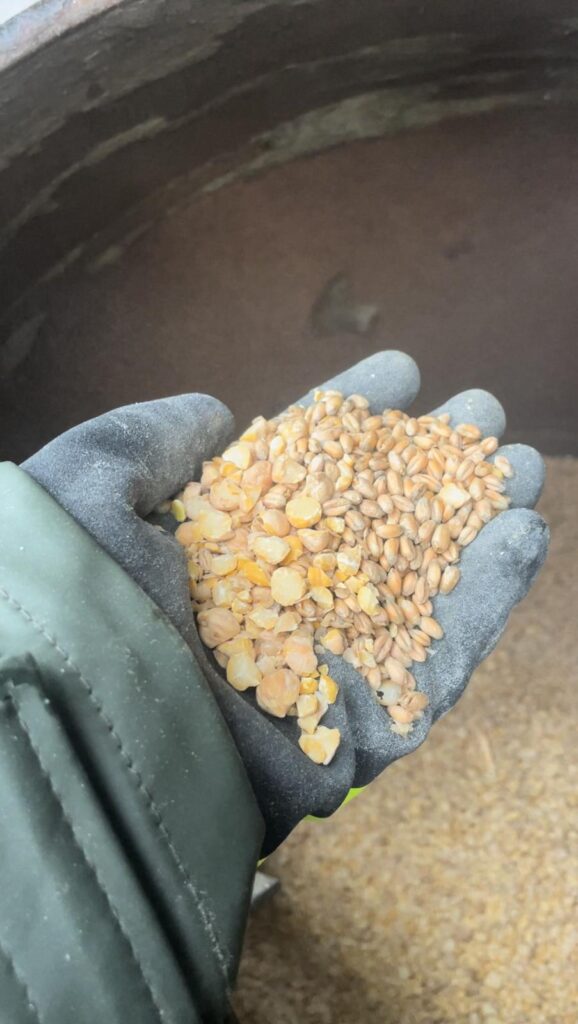
Picture above: harvest of wheat and chickpea
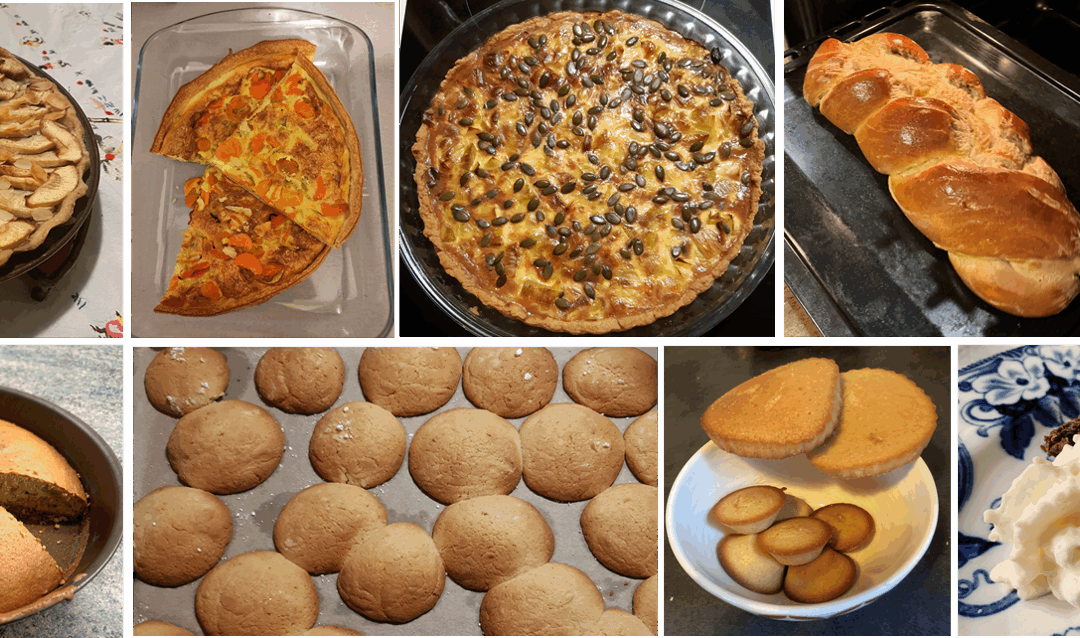
Consumers used the flour in a wide variety of recipes, both sweet and savory. Tart doughs for pies were the most popular, followed by cakes and crêpes. Importantly, most participants reported that little to no recipe adaptation was needed, suggesting that the flour could easily replace conventional options in everyday cooking.
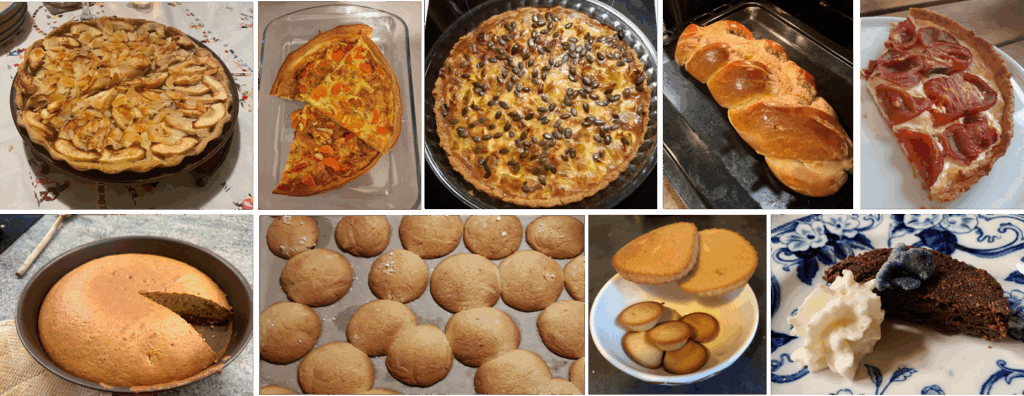
Picture above: a variety of products using flour coming from intercropping
While the texture of the final products was widely appreciated, the smell of the flour and baked goods was noted as a drawback by some. Despite this, only one participant said they would not recommend the flour, and two were unsure. The majority expressed interest in continuing to use it.
This study highlights the potential for intercropped products to reach consumers directly, bypassing industrial sorting and opening new market opportunities. It also underscores the importance of participatory approaches in food innovation, helping bridge the gap between agricultural practices and consumer habits.
The wheat-chickpea flour survey demonstrates that with minimal changes to recipes and strong consumer engagement, sustainable and locally produced alternatives can gain traction even when the ingredients are unfamiliar.
This article was written based on the work developed by Fanny Raoux (INRAE) and Lucia Espinosa Brisset (CIRAD).