
CICS 06
Intercropping for sustainable production of wheat and barley
Topic
Low input wheat
Country
Greece
Responsible
AUTH – Aristotelio Panepistimio Thessalonikis
Objectives
- Produce bread wheat and durum wheat under low-input conditions — with no mineral fertiliser and no herbicide — by intercropping them with winter legumes (faba bean and field pea), without losing the yield and grain quality that millers and processors require.
- Adapt existing farm machinery to sowing, harvesting and post-harvest separation of a cereal–legume mixture, so that farmers can adopt the practice without new capital investment.
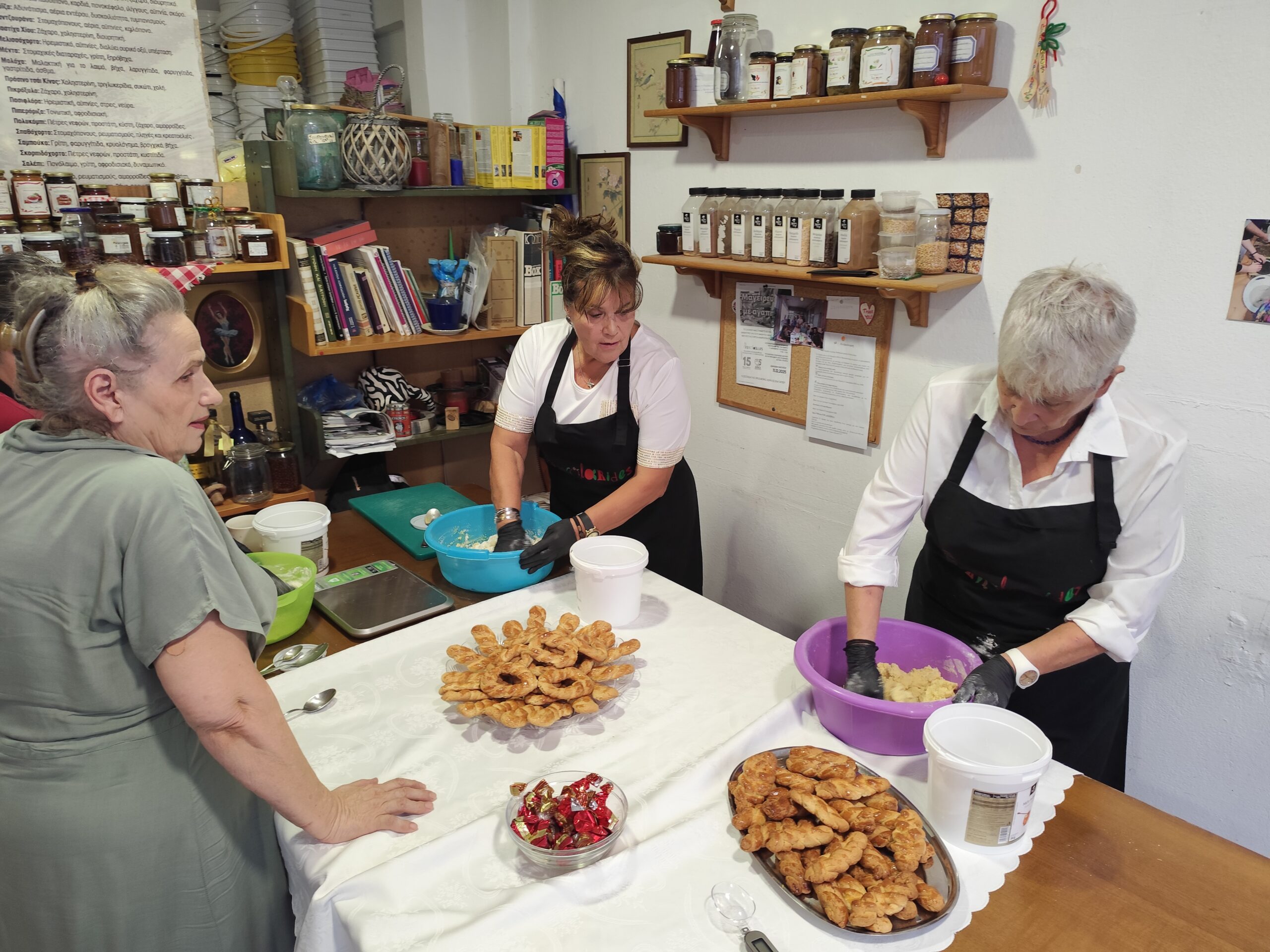
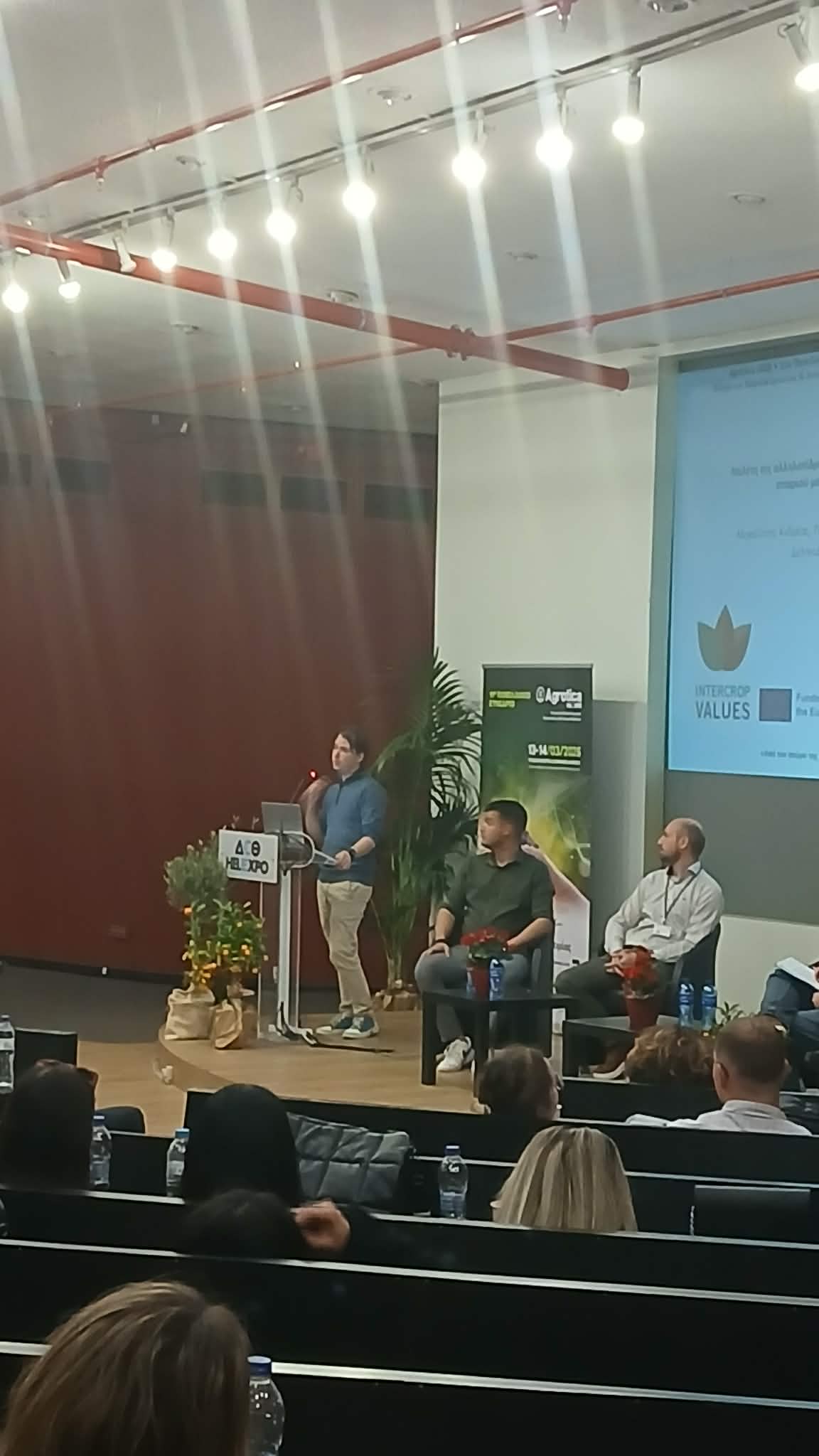
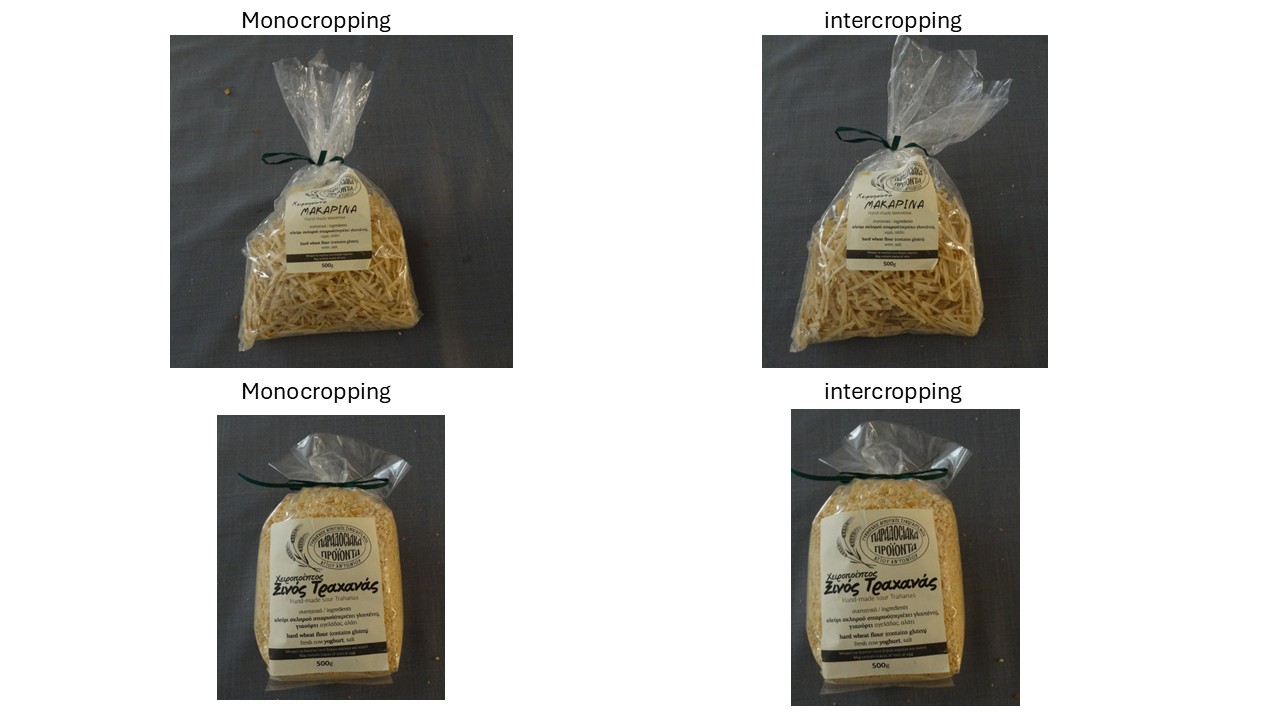
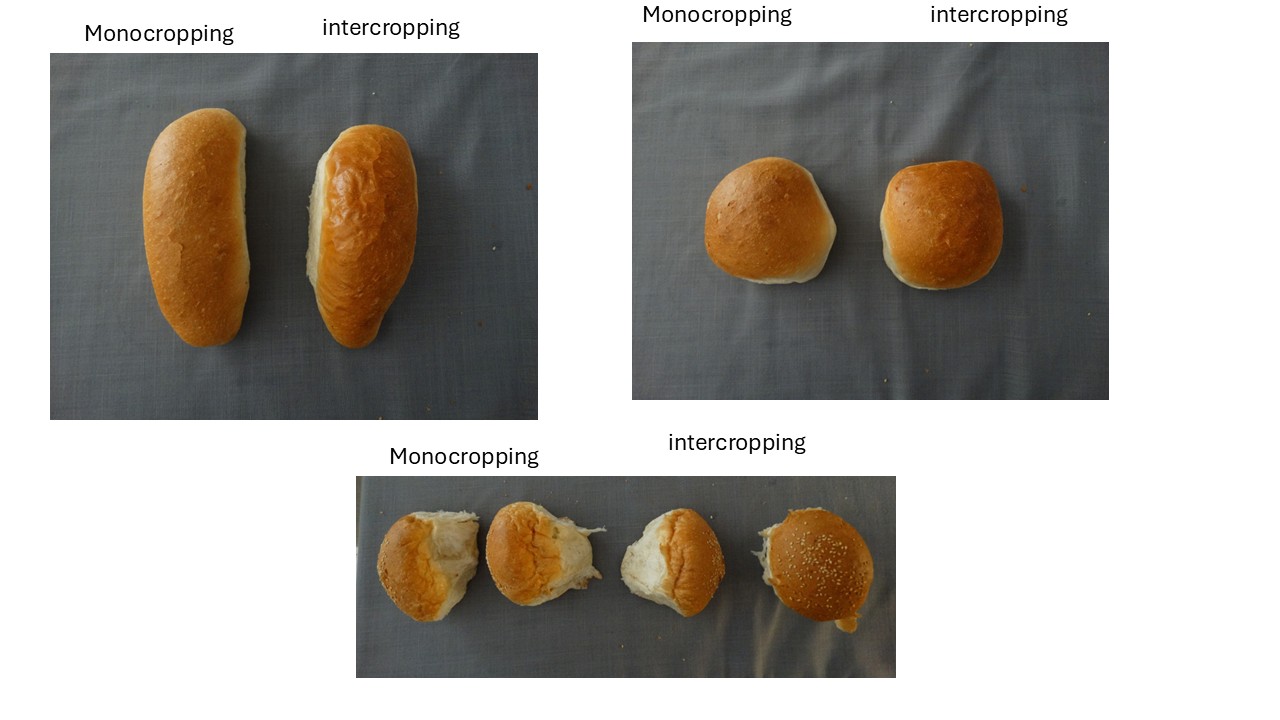
- Build a short local value chain from the intercropped grain to finished products people buy and eat — bread, cookies, pasta and veggie meatballs — with millers, processors, a women’s cooperative and local NGO.
- Widen adoption in Greece by working with independent farmers and farmer groups in several regions, and by taking the results to farmers, farm advisors, industry, value chain, and the scientific community.
Click here if you want to read the project flyer in Greek
What is this CICS about
Intercrops studied and trial sites
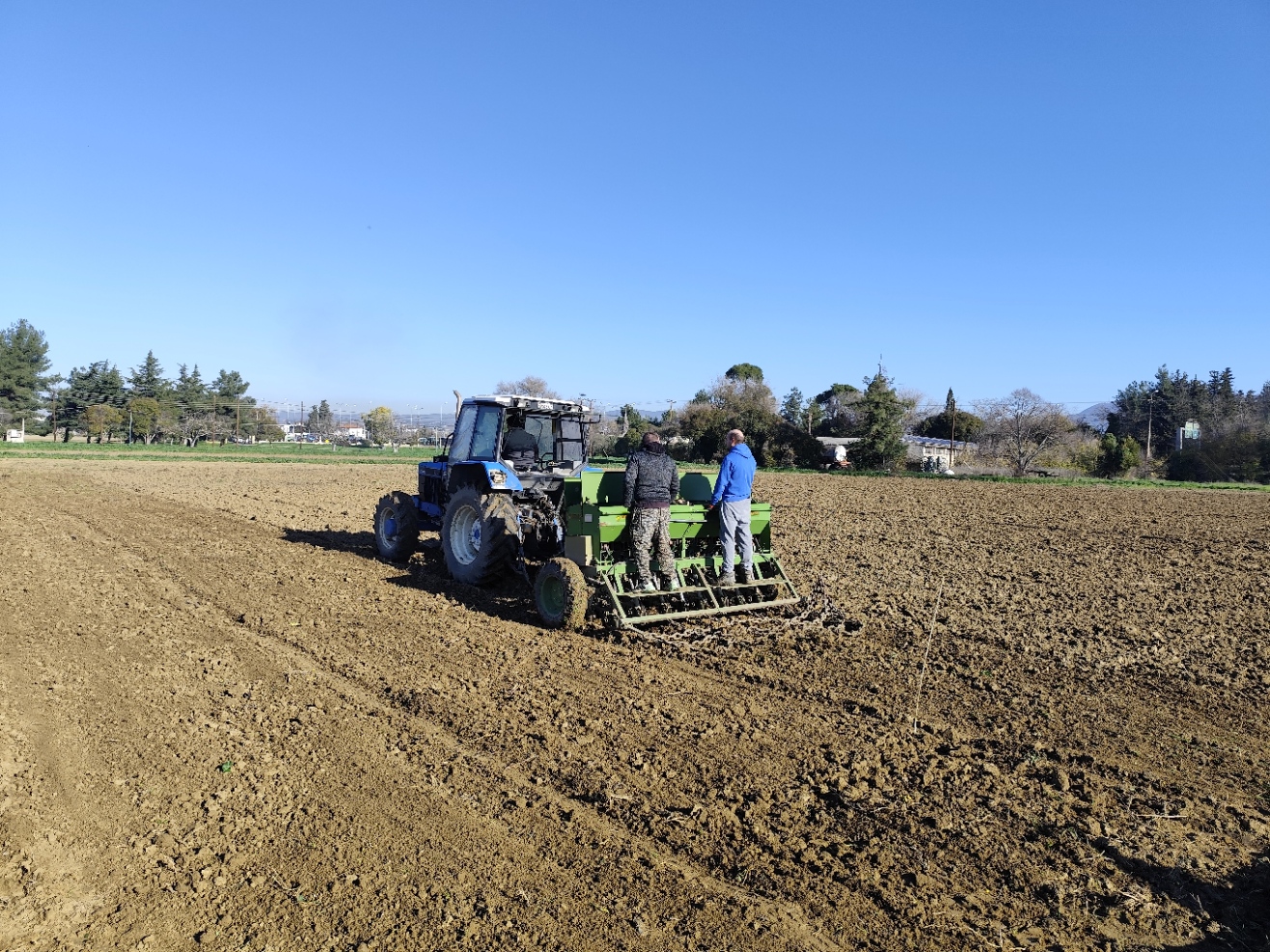
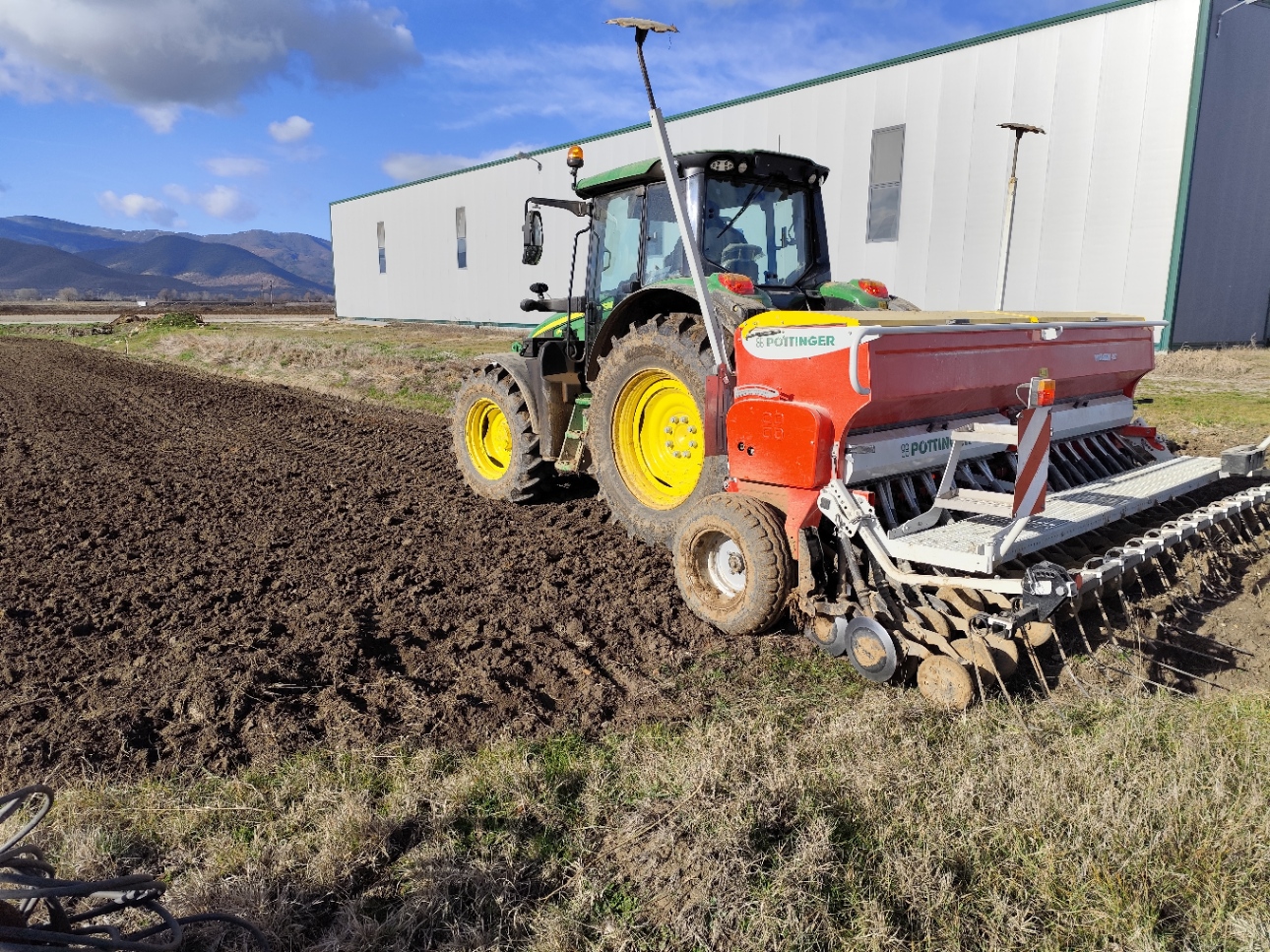
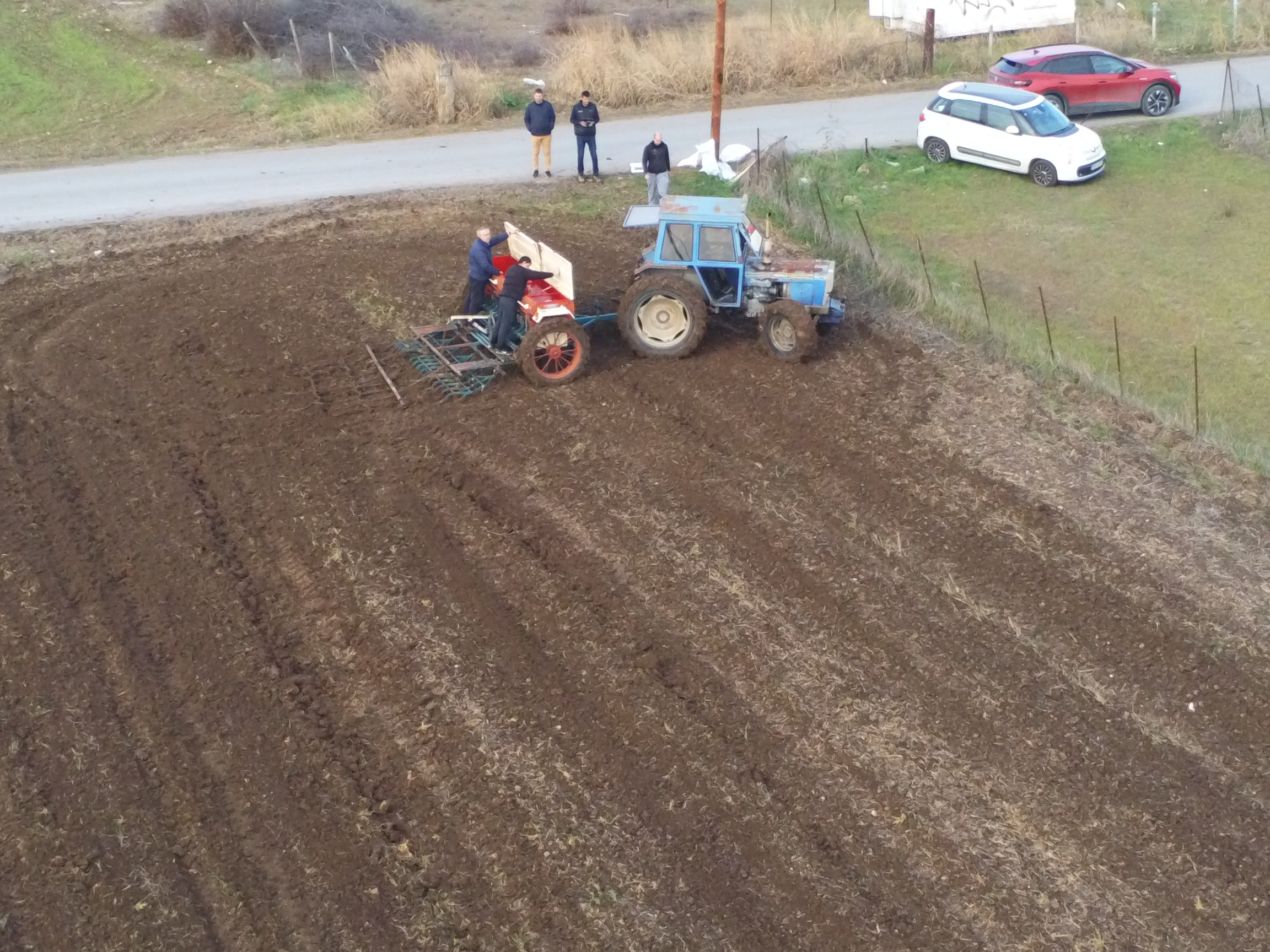
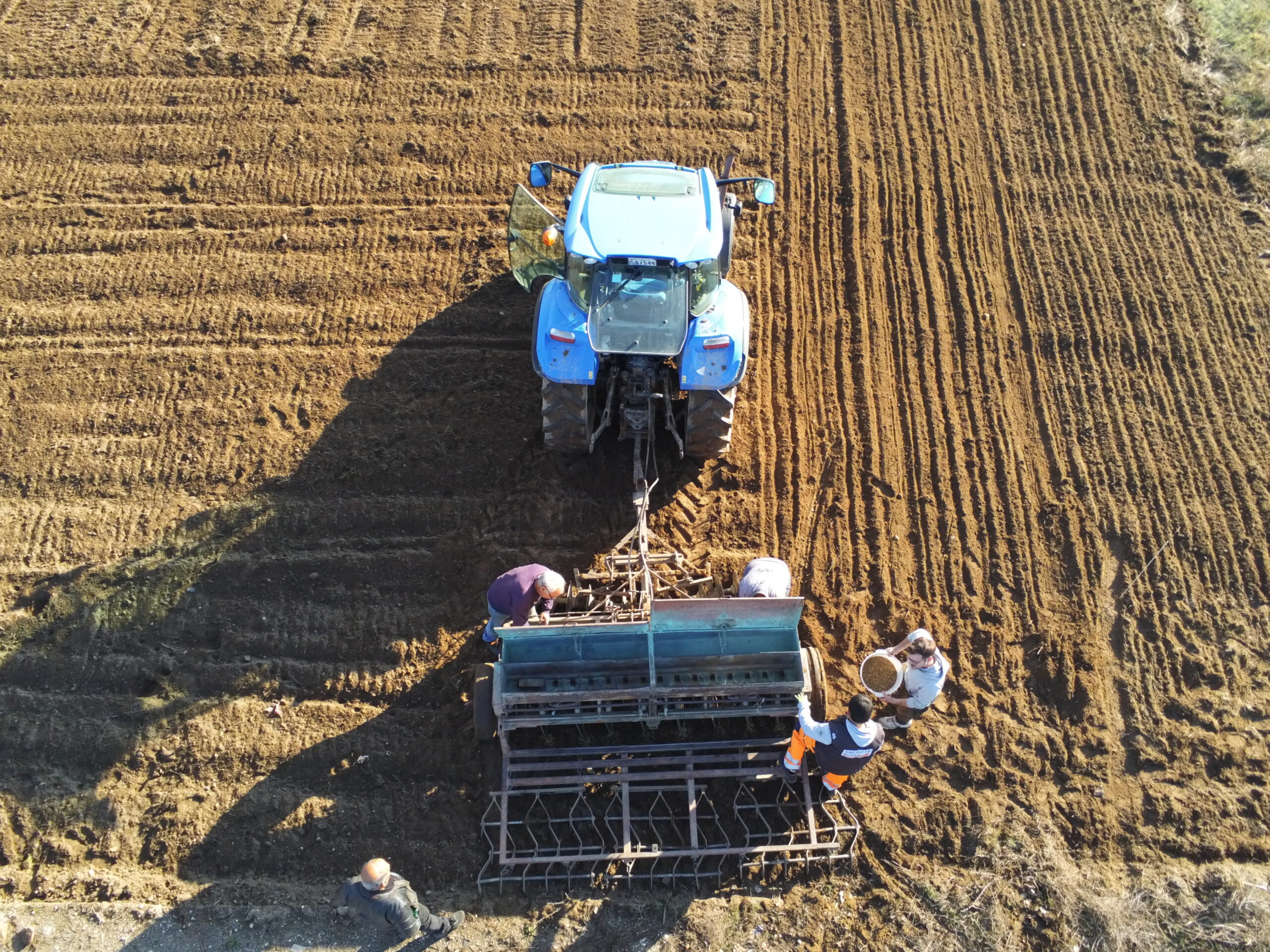
The trials focused on bread and durum wheat intercropped with faba bean (Vicia faba) or field pea (Pisum sativum), sown together in the same rows. The seed mixture contained approximately 75% grain legumes and 25% wheat, using a conventional seeder with standard cereal row spacing.
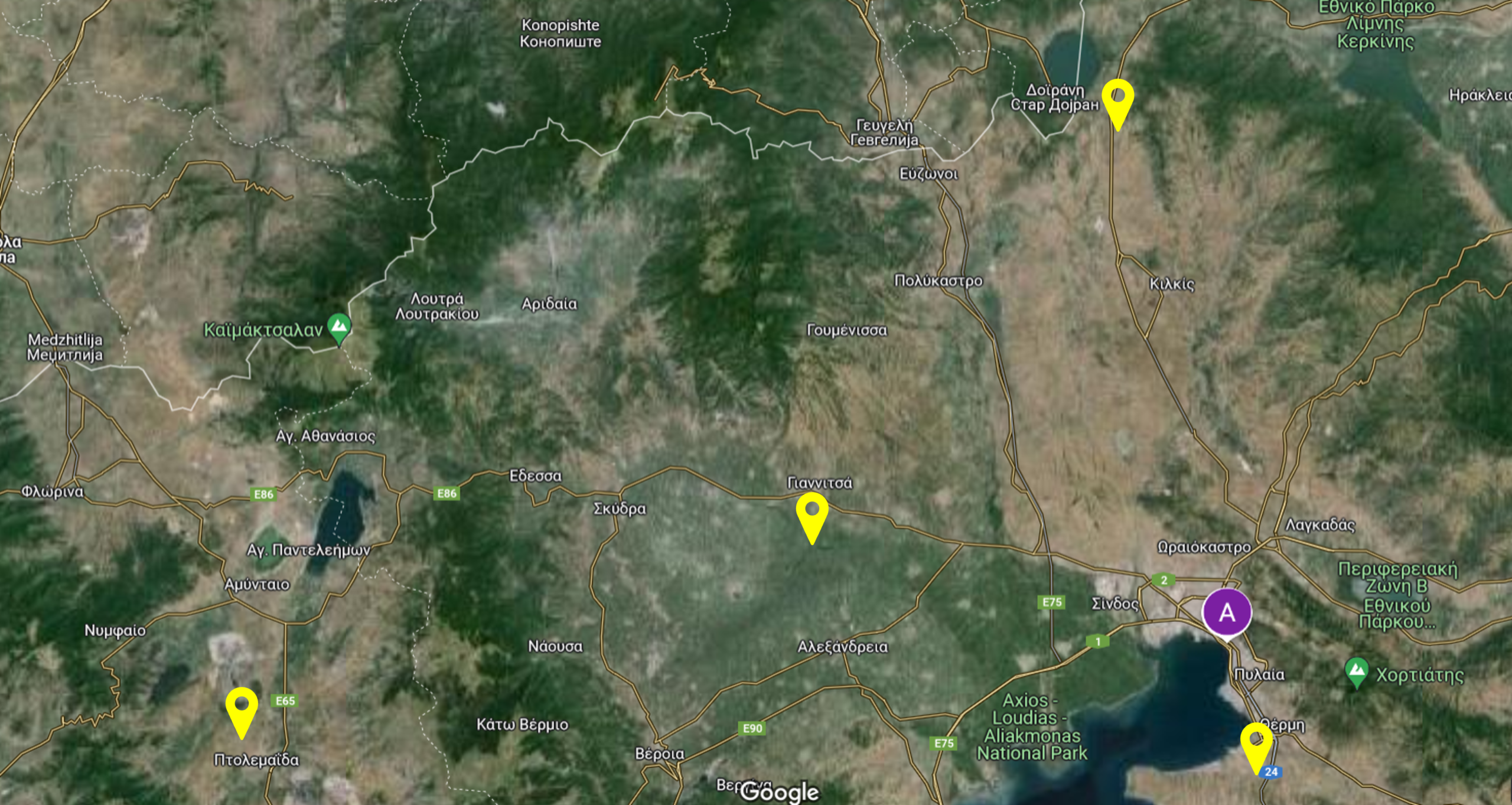
Field experiments took place at four sites in Greece: AUTH University Farm in Thessaloniki, Mouries (Kilkis), Giannitsa (Pella) and Galateia (Kozani).
Stakeholder engagement and activities
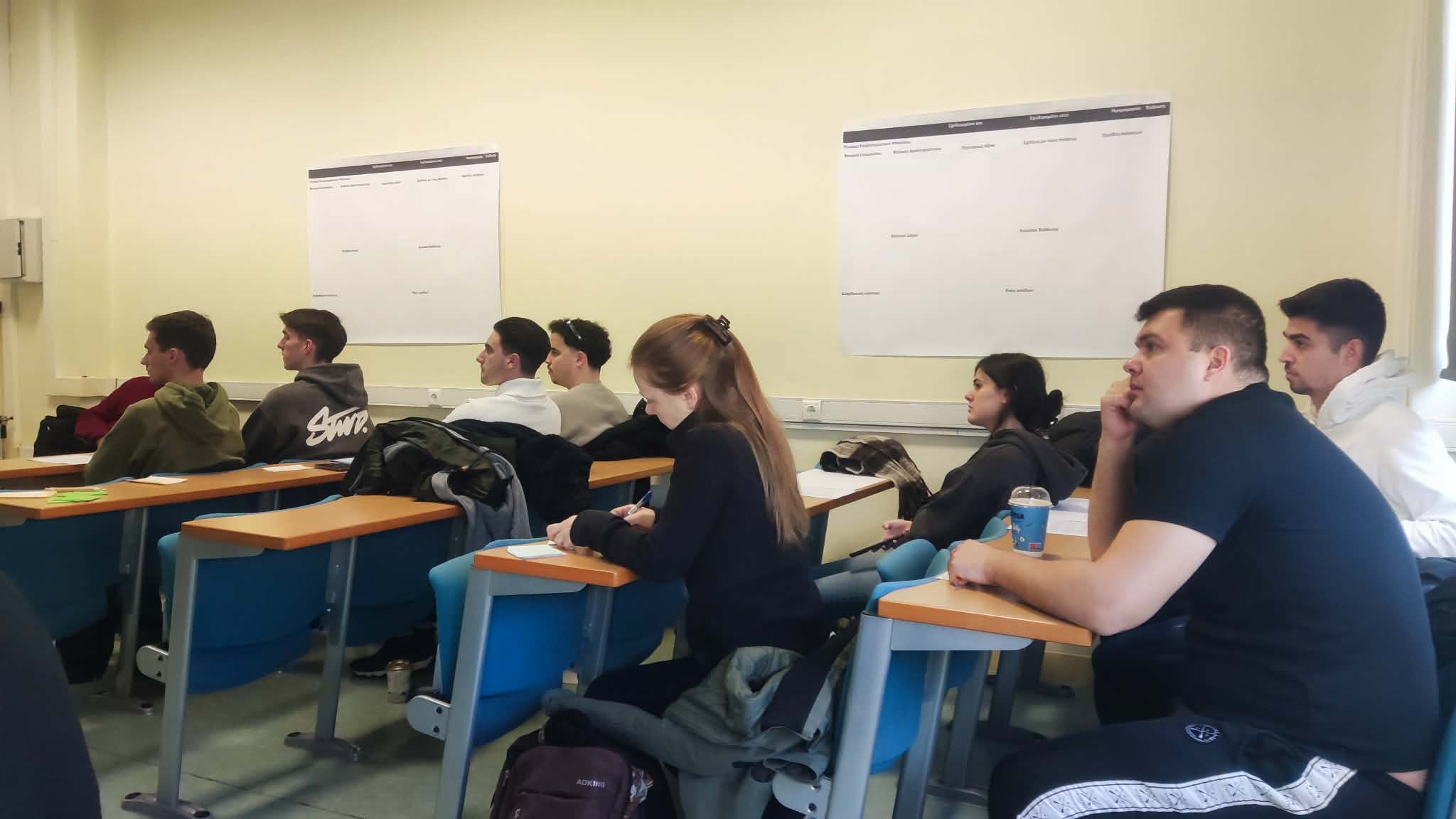
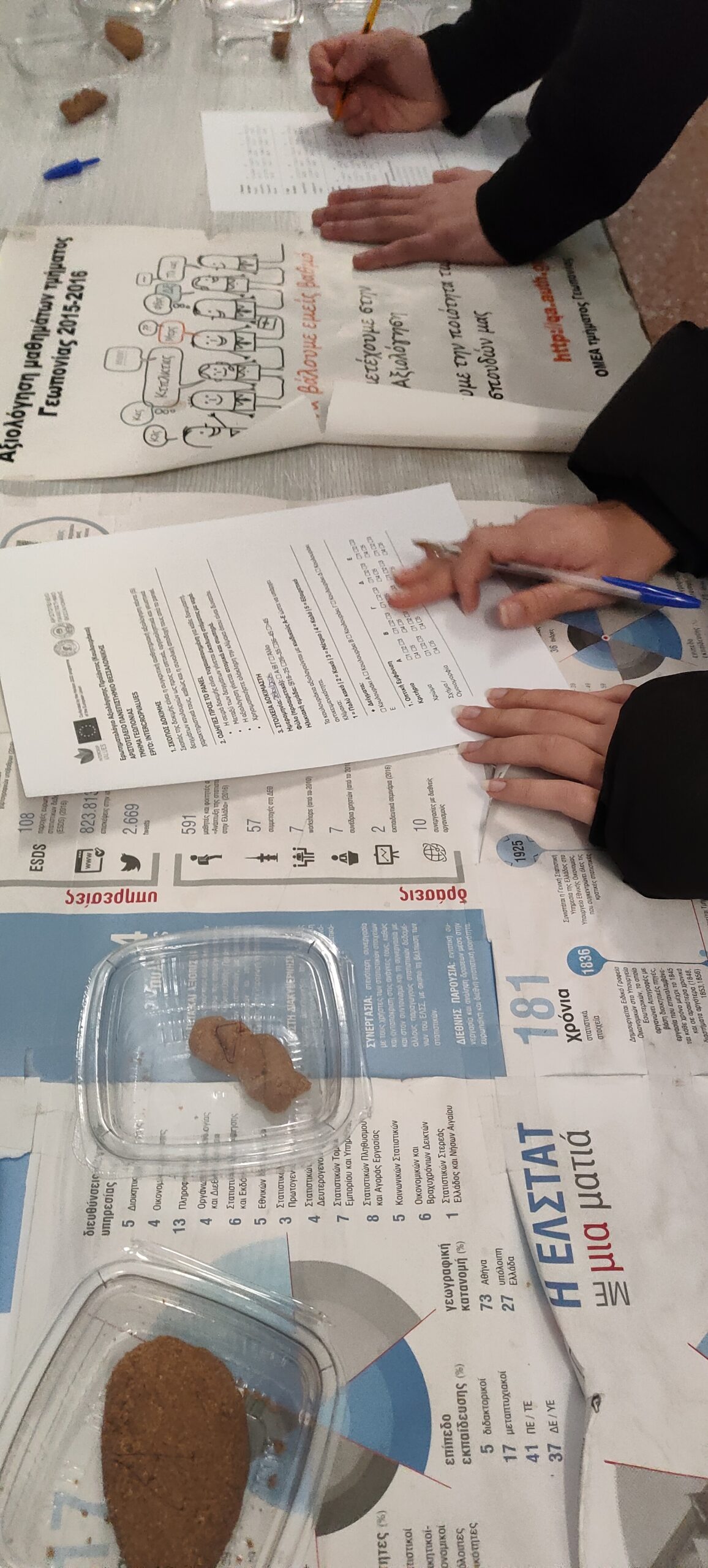
The CICS brought together a wide range of stakeholders, including independent farmers and farmer groups, the Saint Antonios women’s agricultural cooperative, millers, food processors, food scientists at AUTH, farm advisors, agricultural suppliers and distributors. Consumers also participated in co-design and evaluation workshops, alongside a local NGO providing meals for homeless people and those in need.
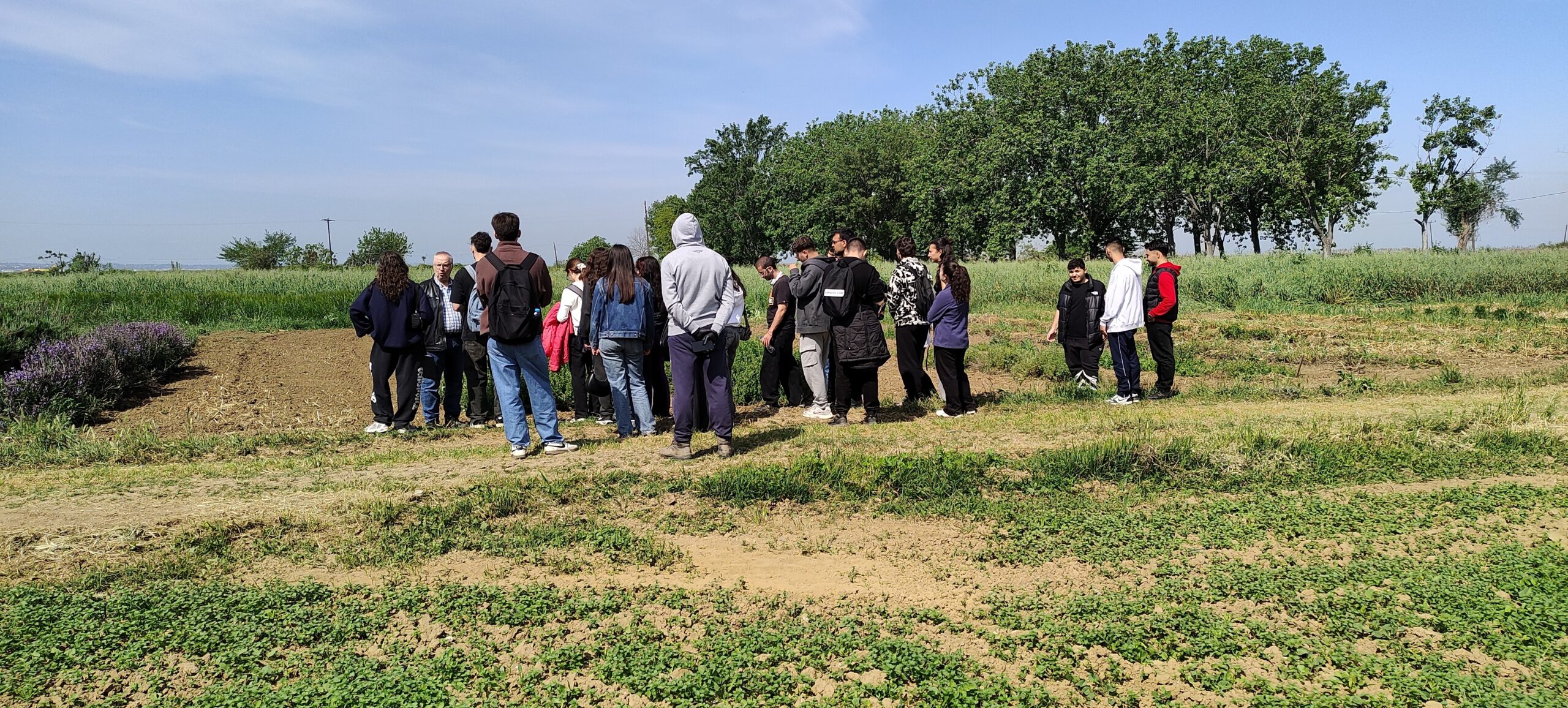
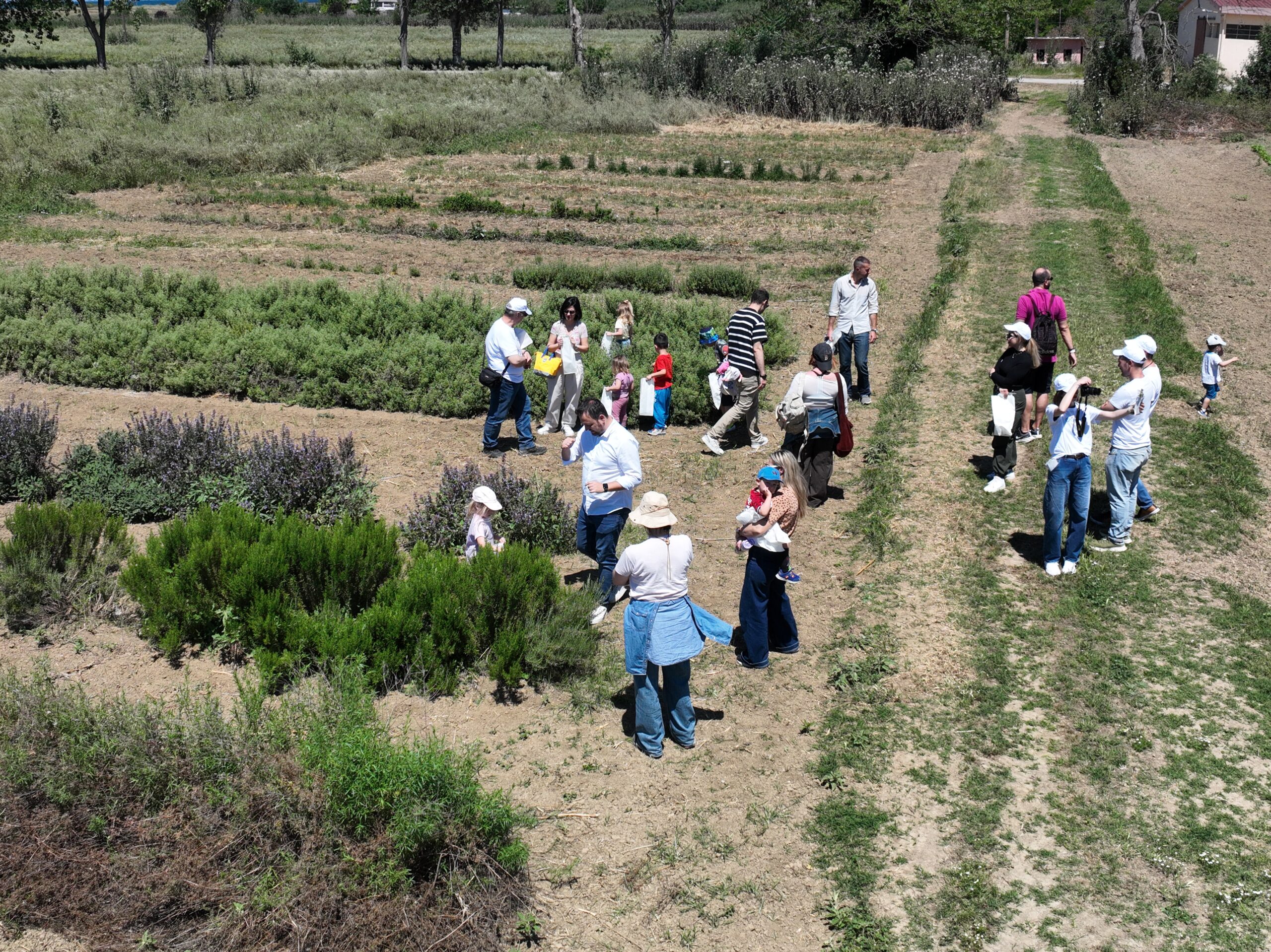
Activities combined field trials at the four sites, assessing yield, land equivalent ratio, nitrogen dynamics, soil health, weed suppression and water-use efficiency, with workshops involving farmers, advisors, businesses and consumers. The CICS also organised field days, explored barriers to adoption and adapted machinery for sowing, harvesting and post-harvest grain separation.
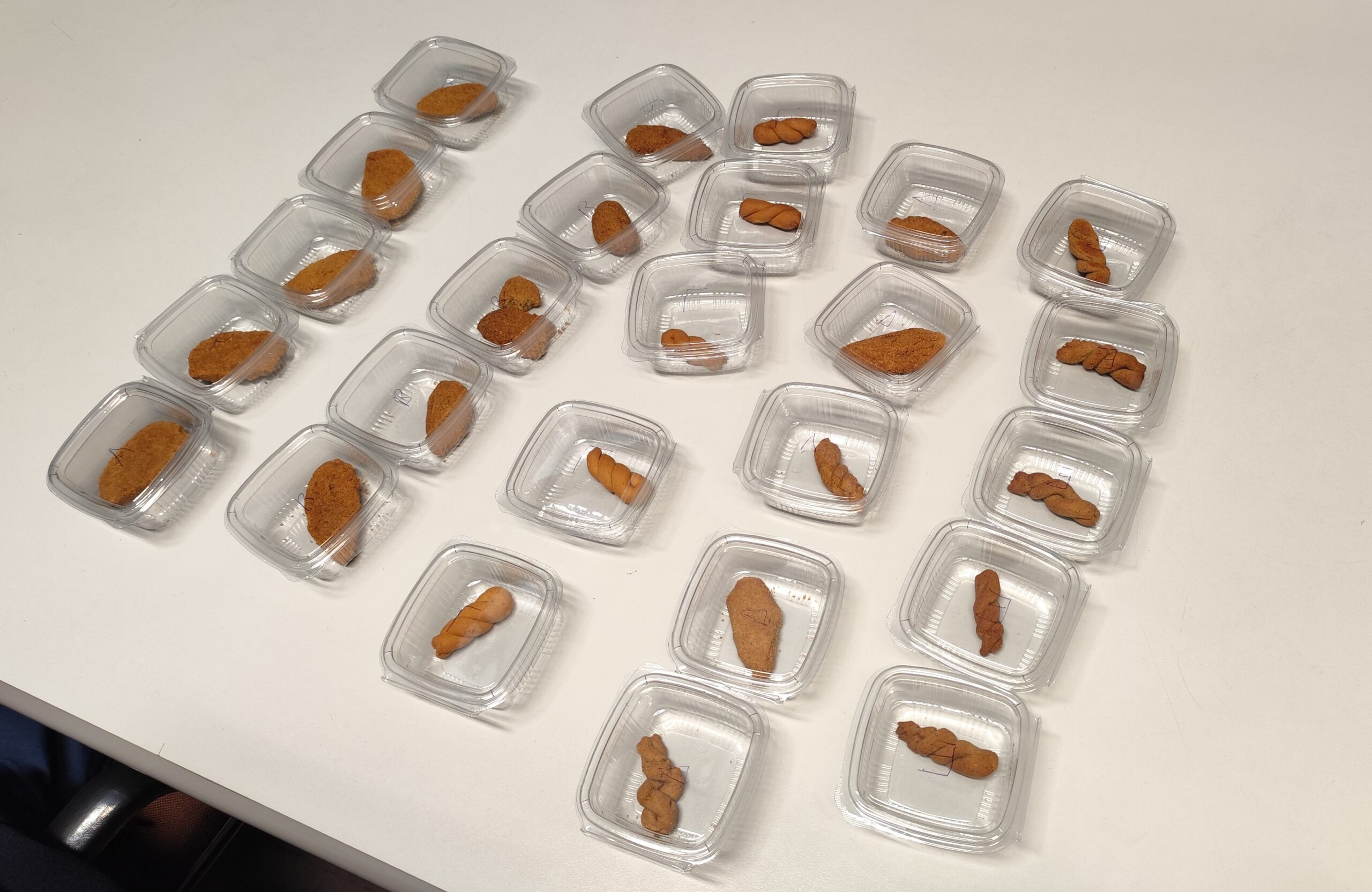
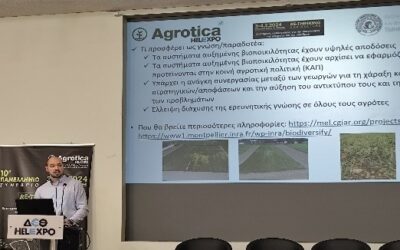
The project further developed food products from the intercropped grain, including bread, cookies, pasta and veggie meatballs, in collaboration with millers, processors and the cooperative. Results were shared with the agricultural sector and scientific community through events such as Agrotica 2024 and 2026, the 18th ESA Congress in Rennes and the 18th Panhellenic Scientific Conference.
The stakeholders are farmers, cooperatives, researchers, farm advisors, companies with agricultural supplies, processors, distributors, consumers, and policy actors.
Learnings
Agronomic performance
Weed suppression was one of the main benefits of intercropping, particularly for low-input farmers. Wheat–pea intercrops controlled weeds more effectively than wheat–faba bean mixtures and sole wheat crops, thanks to faster canopy closure. Water-use efficiency also improved compared with sole field pea crops.
Successful establishment and harvesting depend on careful management, including appropriate seedbed preparation, matching crop maturity, consistent sowing depth and suitable harvester settings.
Value chain and stakeholder engagement
Post-harvest grain separation emerged as the main barrier to adoption, as farmers can sow mixed crops with existing machinery but struggle to meet millers’ quality requirements when separating the harvest.
Product development also proved essential: showing farmers, millers and consumers products such as bread and pasta generated more interest than presenting agronomic results alone. A price premium is not enough to encourage adoption; farmers also need reliable grain separation and a confirmed buyer before sowing.
Finally, collaboration between farmers, processors, the cooperative and the NGO was valuable, but ensuring that someone continues coordinating these actors beyond the project remains a key challenge.
Documentation
Contact
Aristotle University of Thessaloniki, Faculty of Agriculture, Forestry and Natural Environment
Department of Field Crops and Ecology, 54124 Thessaloniki, Greece
E-mail: chdordas@agro.auth.gr · Web: www.agro.auth.gr
CICS 6 team: Andreas Michalitsis, Paschalis Papakaloudis, Efstratios Deligiannis, Akis Alexandrou,
Updates from
the CICS 06:
IntercropValuES Final Dissemination Event in Greece
The final dissemination event of the IntercropValuES project in Greece was held on 2 October 2026, from 12:00 to 15:00, at the School of Agriculture, Aristotle University of Thessaloniki, Greece. The event was promoted through several online newspapers, news portals,...
From barriers to identifying solutions: IntercropVALUES moves forward to promote intercropping
Intercropping, an agricultural practice that could help counterbalance the negative effects of agricultural specialisation by re-introducing crop diversity in fields, is currently facing strong resistance in Europe. Indeed, current European agricultural systems are...
Faculty of Agriculture at Aristotle University of Thessaloniki: A look back at 2024
The Faculty of Agriculture at Aristotle University of Thessaloniki (AUTH), a key partner in the IntercropVALUES project, has been actively advancing intercropping practices through innovative research, stakeholder engagement, and field experiments. Over the past year,...

Designing low-input wheat production in Greece through intercropping with legumes
"Intercropping is the cultivation of at least two or more species in the same field for a portion of their biological cycle. It is an ancient agricultural practice that is primarily employed in developing countries. However, due to the increased interest in...

Stimulating the growth of the organic sector by developing intercropping practices
The 17th edition of the European Organic Congress, organized by IFOAM Organics Europe and Ecovalia, is currently taking place in Cordoba, Spain. On the picture above, Eduardo Cuoco (IFOAM Organics Europe) presents during the European Organic Congress 1st session on...

A summer to learn about intercropping
A summer to learn about intercropping Summer is starting and it is time to rest. The IntercropVALUES project started in November and the official kick-off took place at the end of that month, when all partners met in Montpellier to launch the activities and establish...
Check out the other 13 Co-innovation
Case Studies (CICS)
CICS 01 denmark
From Field to Flour: Wheat–Pea Intercropping Without Full Separation
CICS 02 sweden
LoBa – Local legumes, collaboration in
the entire value chain
CICS 03 uk
Or-Ganic / SCOCAN (SCottish Organic
CANola)
CICS 04 france
Supporting the integration of diverse intercropping systems into value chains in the South-West of France
CICS 05 germany
New product development including technology and adjustments/redefining regulations
CICS 06 greece
Intercropping for sustainable production of wheat and barley
CICS 07 reunion
New proven crop management strategies using service plants between the sugarcane rows
CICS 08 spain
Specific labelling to agri-food industry. Collective IPM actions and strategies
CICS 09 serbia
Creating prototype for local food value chain and operational solution for intercropping
CICS 10 france (west)
Local/regional values chains, up to national to bring out other groups in FNCUMA network
CICS 11 italy
Understanding and using the benefits of IC in complex farming systems and short value chains
CICS 12 mozambique
Promoting sustainable intercropping systems for agri-food value chain in Mozambique
CICS 13 switzerland
Enhancing food quality and developing value chains through organic wheat-faba bean intercropping
