
Interplay is a game designed to develop the skills of adults, with a focus on plant intercropping in agriculture. Developed as part of the Remix project (Horizon 2020), it combines card and board elements with a verification mechanism based on digital modelling.
As part of its awareness-raising initiatives, CICS11 (Italy) has used Interplay in two contexts: a session on companion planting with organic and agroecological farmers and agricultural technicians, and an interactive workshop as part of an agroecology training course.
The main objectives behind integrating this tool were to simulate a plausible and realistic agricultural scenario, facilitate discussion on the benefits and challenges of intercropping, encourage the sharing of practical knowledge and experiences among participants, and achieve these objectives through an engaging, game-based format.
To better align with these objectives, some changes were made to the original version of the game. First, given the informal nature of both events, the computer modelling module, which had been rigorously calibrated for the French territory, was omitted. To introduce unpredictability and engage participants, the context and constraint cards were drawn at random by the participants. The mission cards were reused as bonus cards, which were also selected at random by the luckiest player. These changes helped to reinforce the gamification elements and increase overall enjoyment.
The game boards were also redesigned slightly. As shown in Photo 1 (1 to 5, game boards), two new boards were introduced: one focusing on barriers to adopting intercropping and one focusing on sharing players’ intercropping experiences.
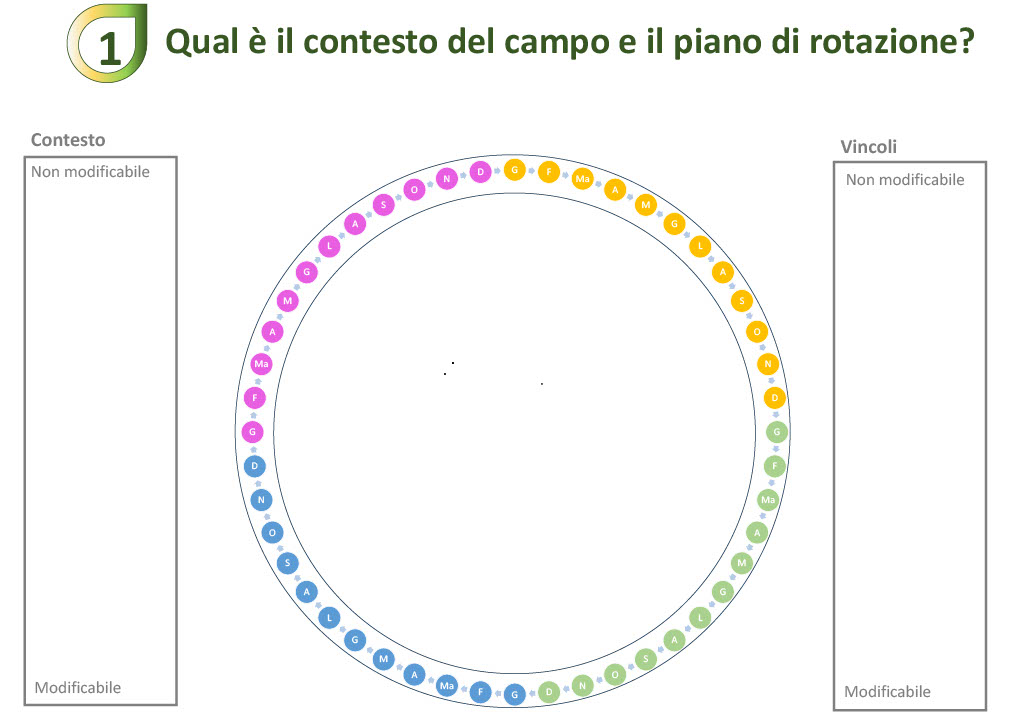
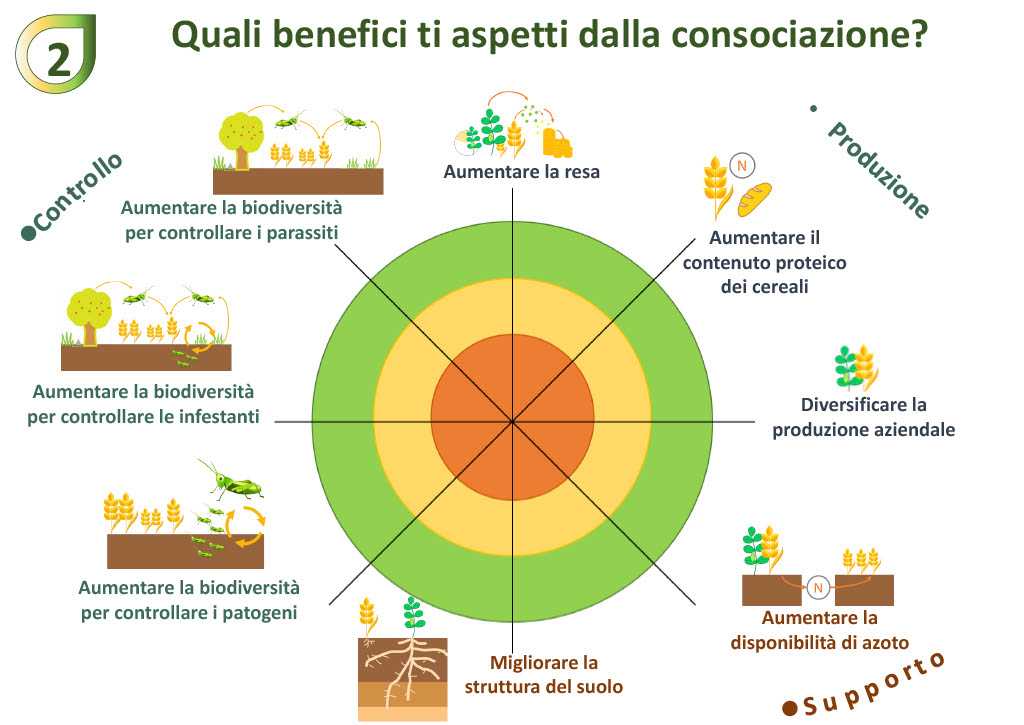
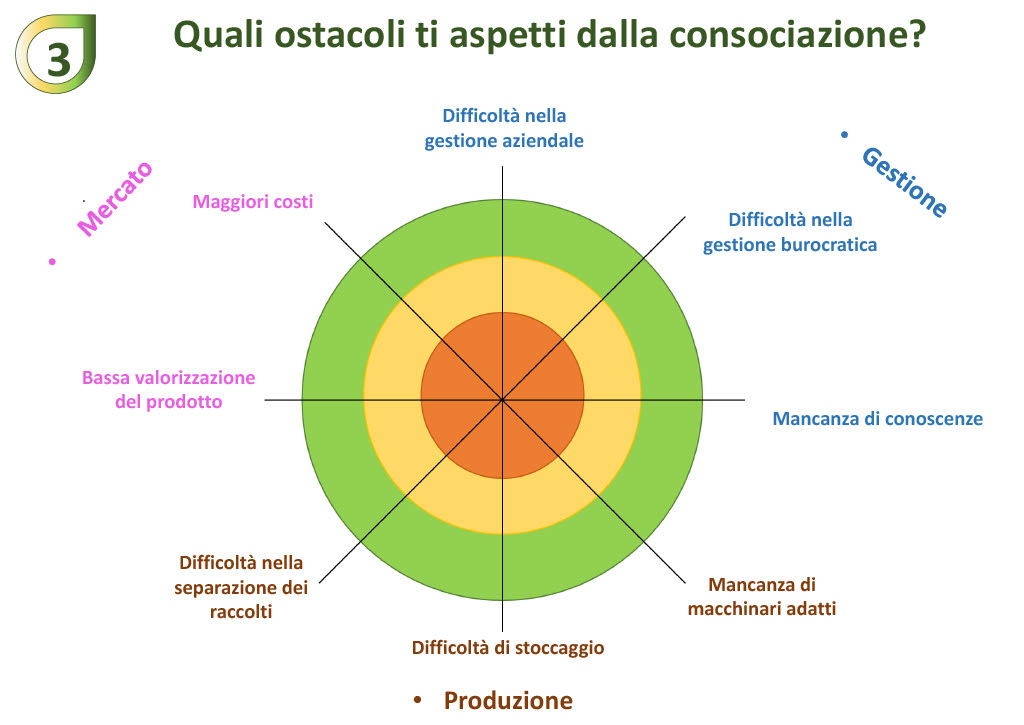
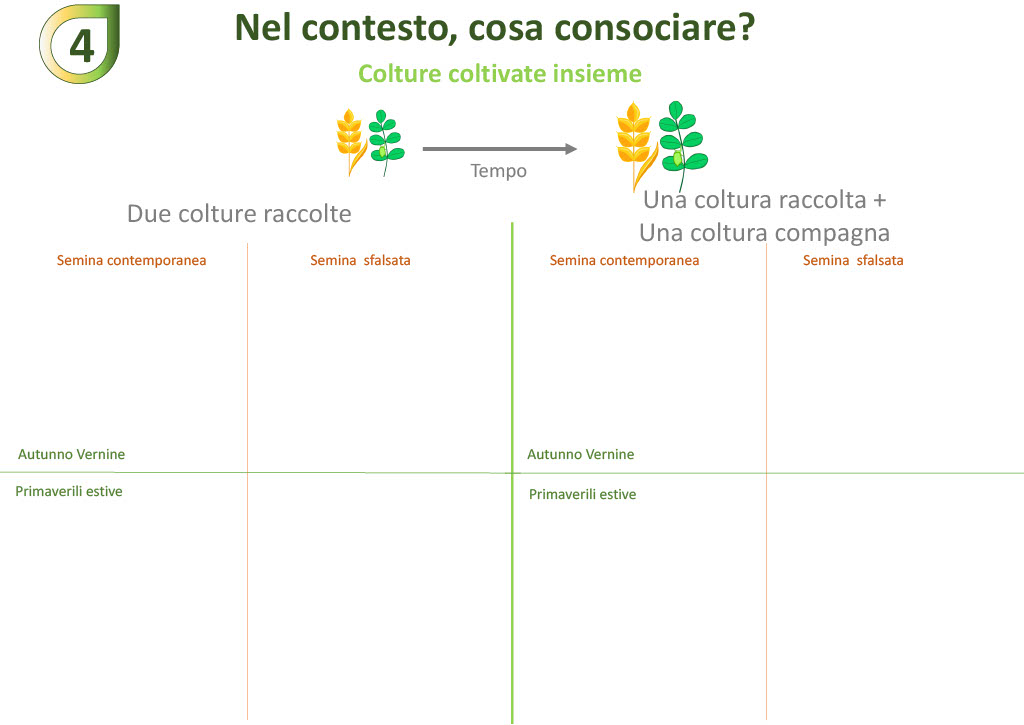
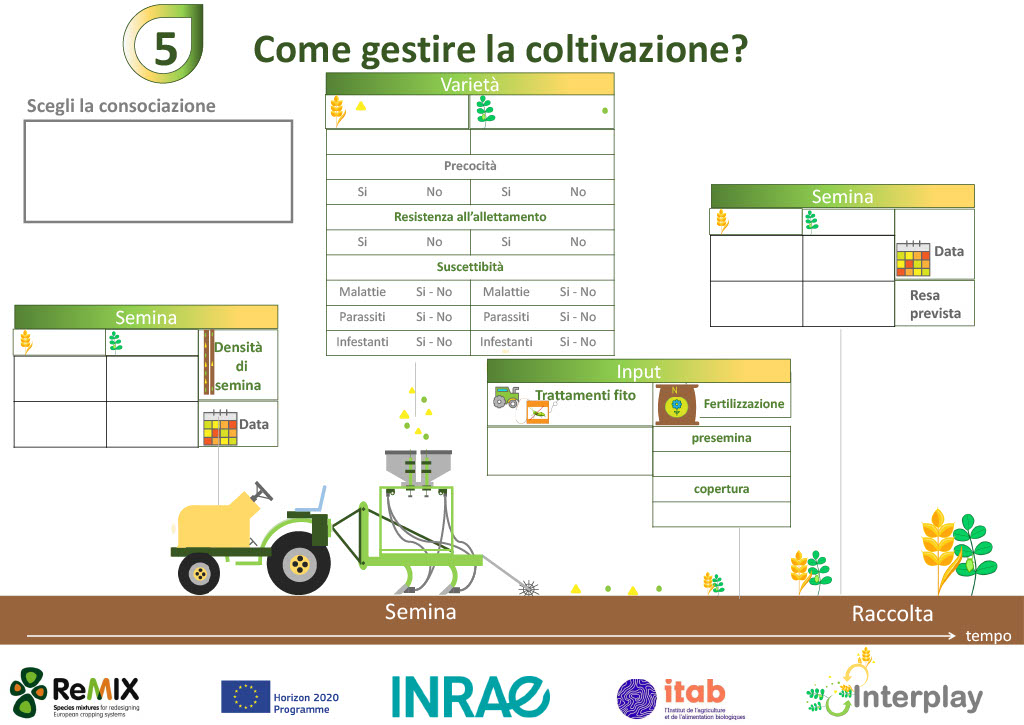
Photo 1 (above): Game boards
The interaction was enthusiastically received and proved highly effective. Feedback from participants was extremely positive.
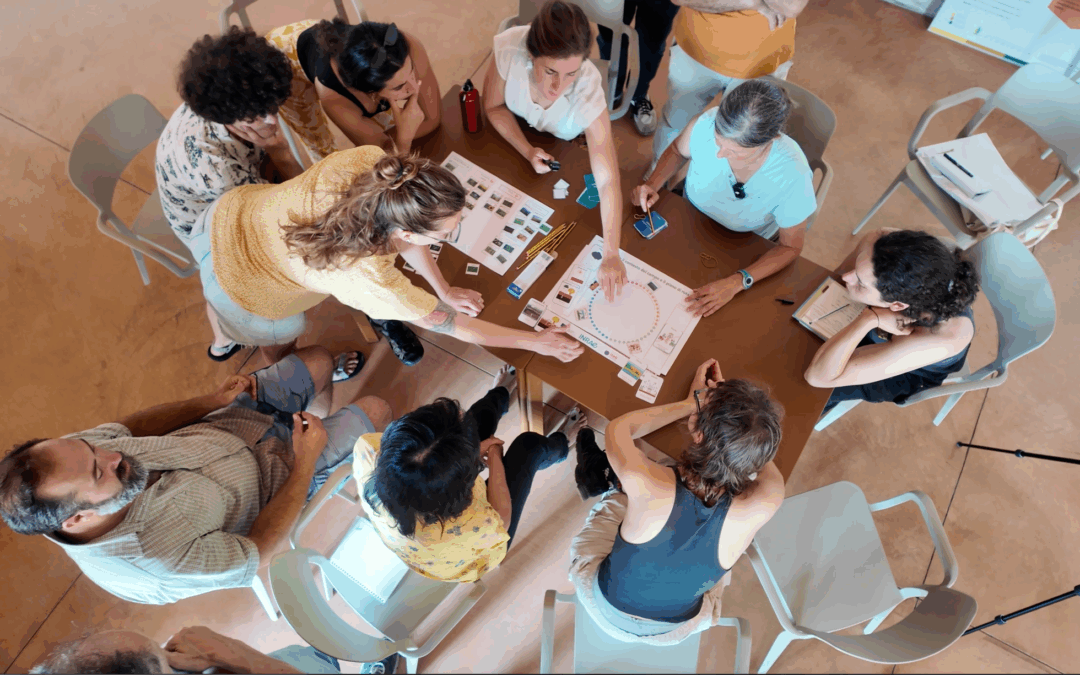
During the session with farmers and technicians (see photo 2), the game enabled significant peer-to-peer knowledge exchange, particularly with regard to boards 2, 3 and 4. In the student workshop, the educational value was particularly evident with regard to the principles of crop rotation and cultivation. The game was also suitable for students with no agronomic background. Each workshop lasted approximately two to three hours.
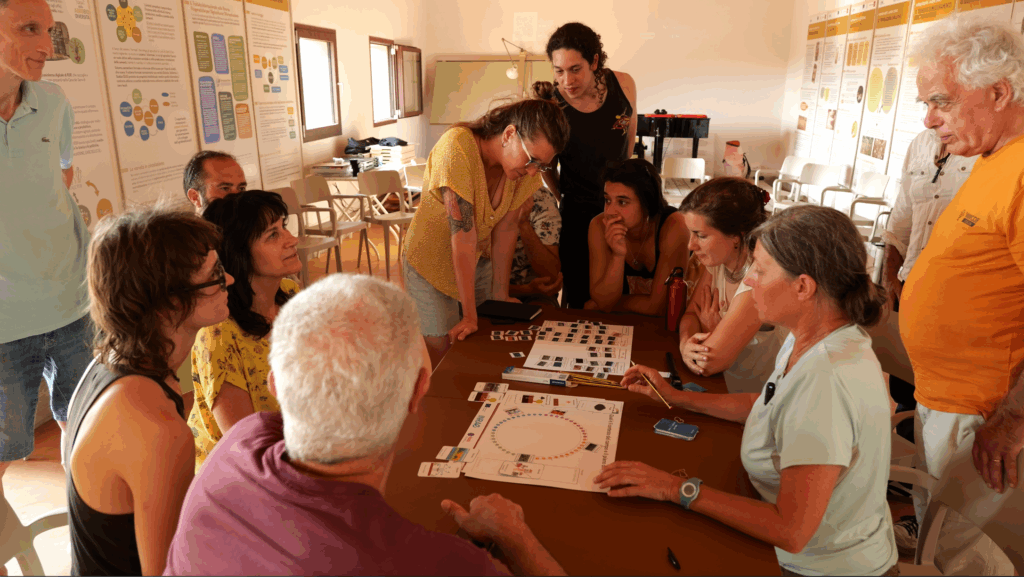
Photo 2 (above): game sessions (1)
Board 5 received the least involvement and was perceived as the least relevant, particularly in an agroecological context. It was only used briefly and mainly served as a starting point for technical considerations.
The role of the game master was essential throughout. Their ability to guide the game, highlight productive discussion points and facilitate participant interaction was crucial to the success of each session.
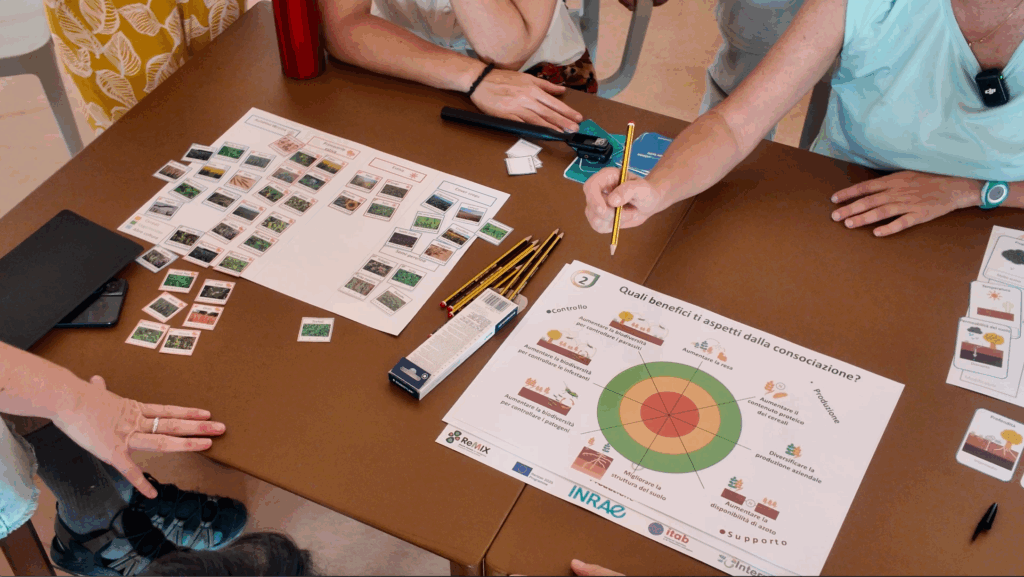
Photo 2 (above): game sessions (2)
More information on the game is available in the following links:
INRAE webpage on Interplay Interplay : un jeu sérieux pour évaluer les services fournis par les associations céréales-légumineuses | INRAE,
IntercropValues Practice Abstract on Interplay PA3-web.pdf,
Download Interplay in English and French Téléchargement du jeu Interplay / Interplay game download)
This article was written by Daniela Ponzini (Rete Semirurali)