
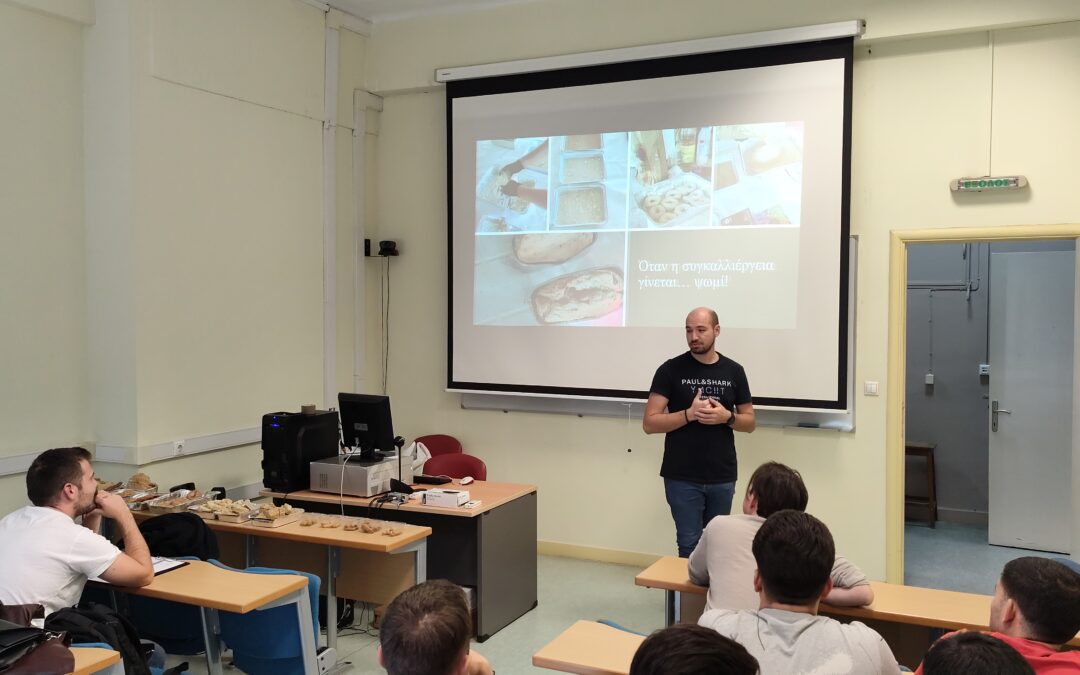
The final dissemination event of the IntercropValuES project in Greece was held on 2 October 2026, from 12:00 to 15:00, at the School of Agriculture, Aristotle University of Thessaloniki, Greece. The event was promoted through several online newspapers, news portals, and other websites to ensure broad dissemination and encourage stakeholder participation.
During the event, Christos Dordas, Paschalis Papakaloudis, Andreas Michalitsis, and Stratos Deligiannis delivered presentations highlighting the main activities undertaken throughout the project, the research conducted, and the key findings and outcomes. Particular emphasis was placed on the agronomic, environmental, and practical benefits of intercropping systems, as well as their potential applications in sustainable agricultural production.
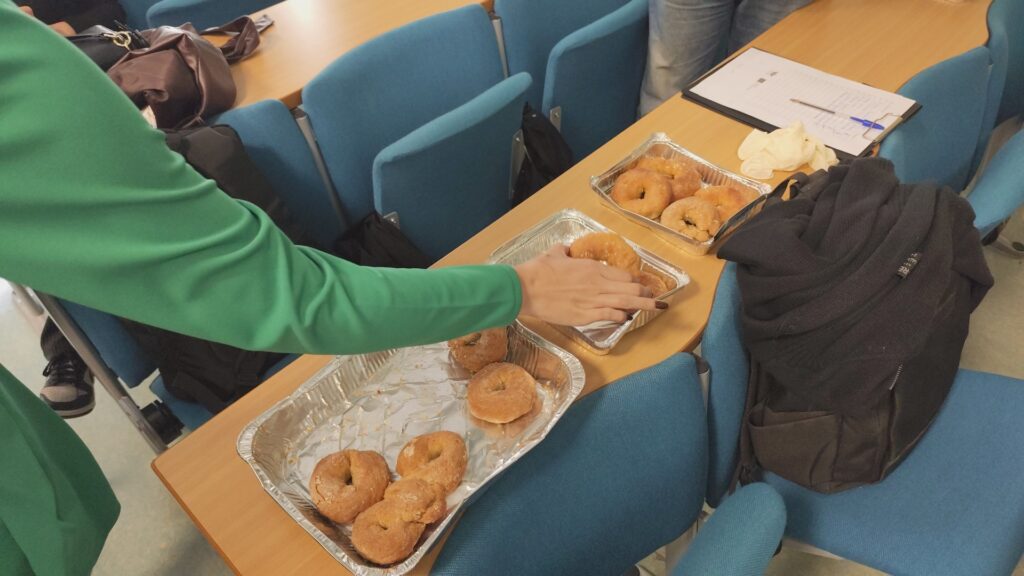
Participants also had the opportunity to taste a variety of food products developed within the framework of the project, including cookies, bread, and other bakery products. This tasting session provided a practical demonstration of the potential of intercropping systems to contribute to the development of innovative food products and value chains.
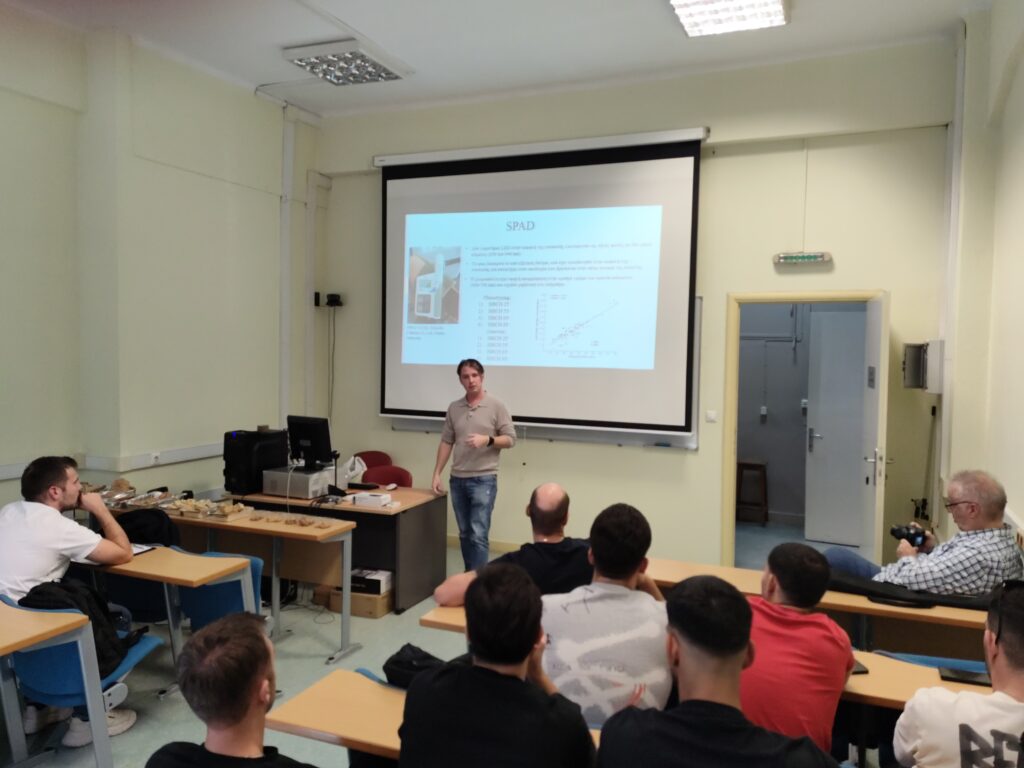
The event was attended by 23 participants, representing a diverse range of stakeholder groups, including farmers, agricultural advisors, consumers, food scientists, food processors, and two local policymakers. This diversity encouraged knowledge exchange and discussions regarding the practical implementation of intercropping and its potential benefits for agriculture and the food sector.
The overall outcomes of the event were positive, with participants expressing considerable interest in intercropping practices and the food products developed through the project. The discussions highlighted the potential for wider adoption of intercropping systems and the development of value-added products derived from intercropped crops.
Overall, the event successfully contributed to the dissemination of the project’s results, increased stakeholder awareness of the benefits of intercropping, and promoted dialogue among researchers, farmers, food industry representatives, and policymakers.