How can legumes contribute to more diversified and sustainable sugarcane systems? This question was at the heart of IntercropVALUES’ participation in Agrofert’îles Canne, an event that brought together 295 visitors, 108 speakers and 33 exhibitors.
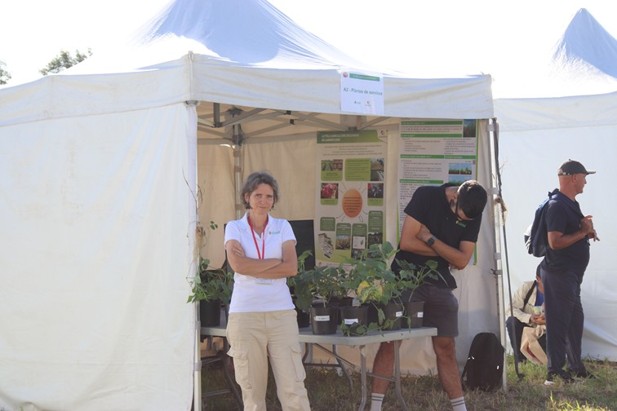
The IntercropVALUES team hosted a stand dedicated to legumes and their potential for intercropping with sugarcane. Around 20 farmers visited the stand to exchange experiences and discuss possible applications, with seven of them completing a survey. Representatives from several agricultural institutions and partner organisations also took part, including DAAF, the Chamber of Agriculture, CTICS, eRcane and Armeflhor.
What are farmers looking for?
The discussions revealed a strong interest in legumes, although farmers see different opportunities depending on their production goals.
For some, legumes are particularly attractive as standalone crops, offering opportunities for grain production, nitrogen supply and biomass production for soil cover. Farmers also highlighted the need for greater access to a diversity of seeds, including beans, voème and groundnuts.
For sugarcane growers, soil cover emerged as a key priority. Pigeon pea (pois sabre) was frequently mentioned, suggesting that information from previous research has already reached farmers.
When asked which legume they considered most promising for growing between sugarcane rows, voème was the most frequently mentioned option.
Turning interest into practical solutions
The conversations also highlighted some of the challenges that need to be addressed before service crops can be more widely adopted. Labour requirements and operating costs are major concerns, particularly in relation to the availability of suitable mechanisation.
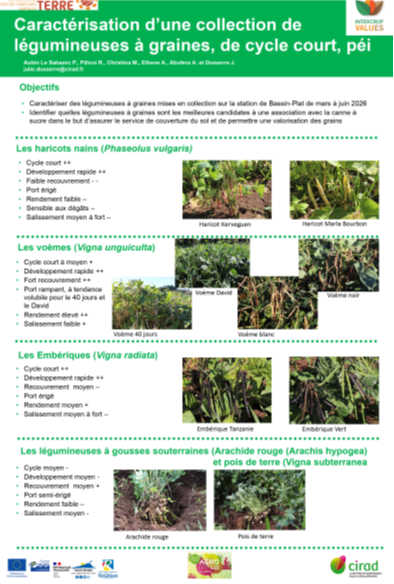
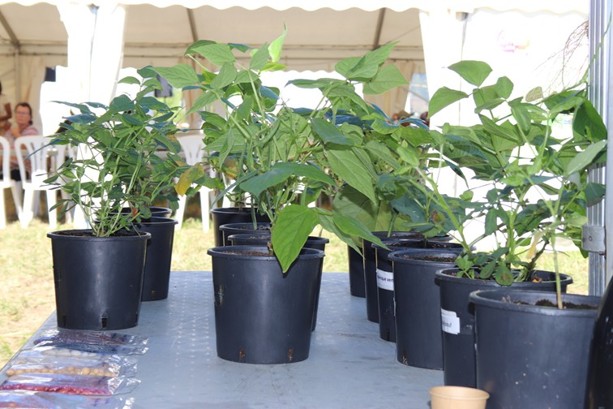
Alongside the discussions, the team presented a poster showcasing a range of grain legumes suitable for intercropping, supported by detailed information sheets and potted plants.
The event provided a valuable opportunity to connect research with farmers’ needs, understand local priorities and identify both promising options and practical barriers to the integration of legumes into sugarcane systems.
Listening to farmers is an essential step towards developing intercropping solutions that are not only agronomically promising, but also workable in practice.